Key facts
- Israel announced it has established "operational control" over the strategic Ali al-Taher hill in southern Lebanon.
- The hill is approximately 15 kilometers from the Israeli border and rises to about 600 meters.
Israel announced it has established "operational control" over the strategic Ali al-Taher hill in southern Lebanon, a key Hezbollah stronghold. The hill's loss marks a significant shift after months of intense fighting, potentially altering the military threat direction and serving as Israeli negotiating leverage.

The control of Ali al-Taher hill could shift the military threat direction in southern Lebanon, potentially allowing Israel to exert greater pressure on Hezbollah and serve as leverage in future negotiations. For Hezbollah, the loss of this strategically valuable position challenges its military posture north of the Litani river.
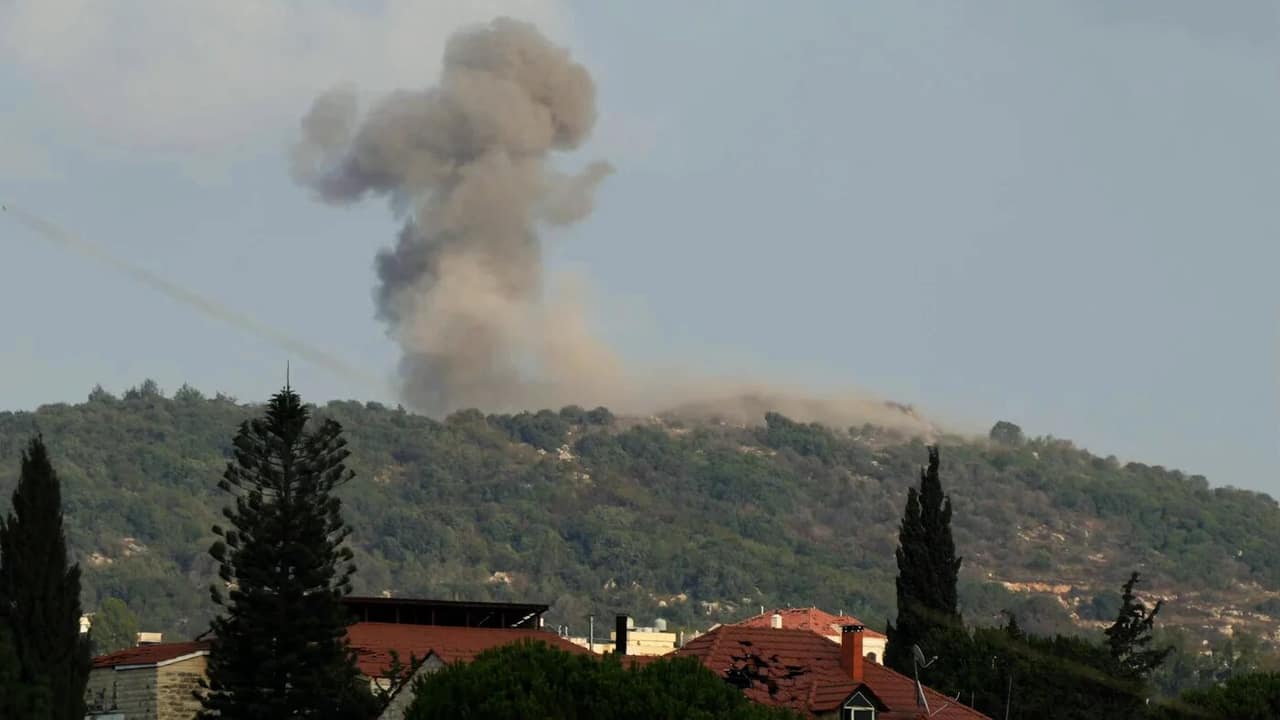
Israel announced on September 3 that it had established "operational control" over the strategic Ali al-Taher hill in southern Lebanon, a position Hezbollah had defended for nearly three months despite intense Israeli bombardment. The hill, overlooking Nabatieh and the Iqlim al-Tuffah area, is approximately 15 kilometers from the Israeli border and rises to about 600 meters. Hezbollah considered it strategically vital due to underground command and weapons facilities, and its geographical advantage which allowed the group to threaten northern Israel. The loss of Ali al-Taher could allow Israel to reverse this threat, exerting pressure and surveillance over areas north of the Litani river.
An official familiar with Hezbollah's thinking argued that the withdrawal was a cost-benefit assessment rather than an admission of defeat, emphasizing that their fighters held the ground for months under constant Israeli oversight. Israel's military stated its forces had cleared Hezbollah fighters from two underground routes and established control both above and below ground. Israeli Defense Minister Israel Katz framed the move as consolidating Israel's security zone in southern Lebanon. However, Hezbollah members denied Israel's claim of control the following day, asserting their fighters remained deployed in the area and prepared to confront any advances. The dispute over terminology highlights the ongoing contest between Israel's demonstrated ability to operate on and beneath the ridge and Hezbollah's efforts to deny this constitutes a decisive strategic defeat.