Key facts
- The UK has banned imports from Israeli settlements and imposed sanctions on financial services supporting their expansion.
- The UK will also ban advertising for settlement properties and holiday lettings.
- Future arms exports to Israel will be blocked if they materially contribute to the occupation.
- The UK government now endorses the ICJ's legal opinion that Israel's presence in occupied Palestinian territory is unlawful.
- Israel responded by banning twelve British officials and citizens from entering the country and closing its East Jerusalem consulate.
- The US stated it will not follow the UK's lead on banning trade with Israeli settlements.
The UK has implemented a ban on imports from Israeli settlements and introduced sanctions targeting financial services that support their expansion, a move that has drawn criticism from the US and a retaliatory ban on British officials entering Israel.
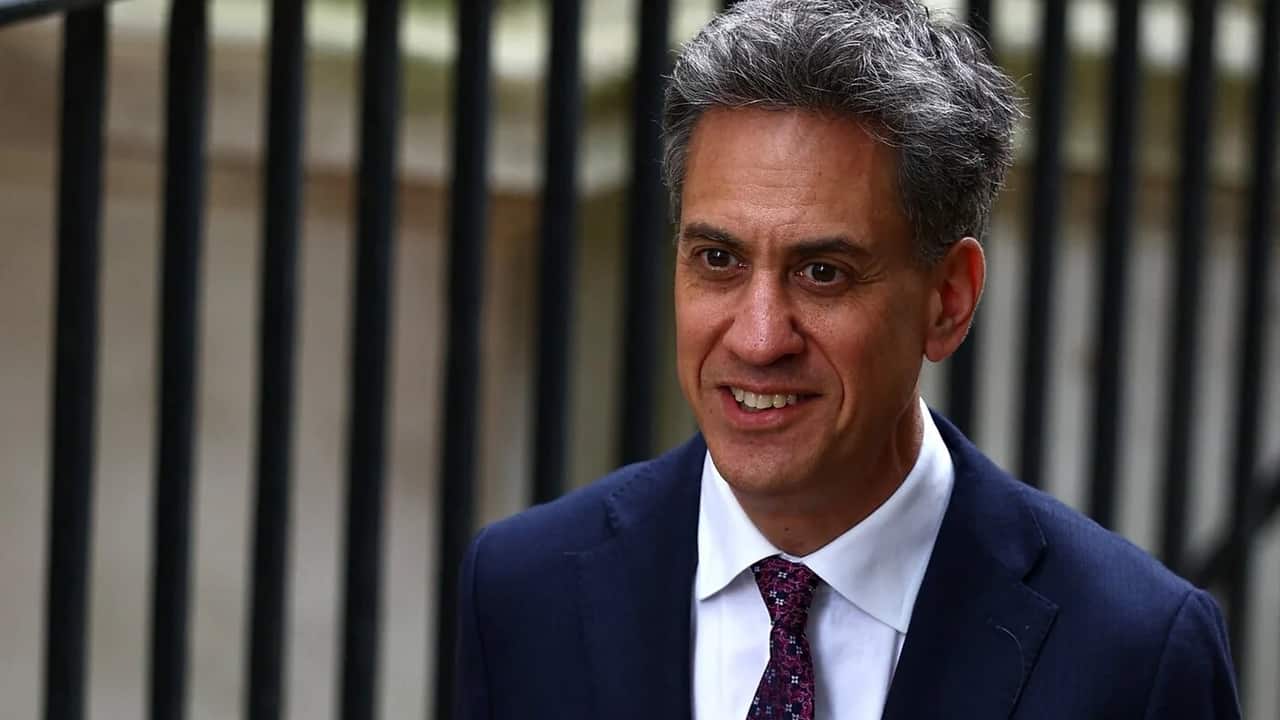
Foreign Secretary Ed Miliband announced the measures, which also include a ban on advertising settlement properties and holiday lettings, and a refusal of future arms export licenses that materially contribute to the occupation. The UK government now officially endorses the International Court of Justice's (ICJ) legal opinion that Israel's presence in occupied Palestinian territory is unlawful and must not be aided.
Miliband described settler actions as 'ethnic cleansing' and referred to the situation in Gaza as 'a stain on the conscience of the world,' while also expressing support for the ICJ's determination on the issue of genocide. The sanctions are expected to take six to nine months to implement fully.
In response, Israel has banned twelve British officials and citizens, including Jeremy Corbyn, from entering the country. Israel also closed its East Jerusalem consulate and removed representatives from the Gaza Support Centre. The US, through Secretary of State Marco Rubio, has stated it will not adopt similar measures against Israeli settlements.
While some MPs and organizations have welcomed the UK's actions as a step towards justice for Palestinians, others, like Palestine Action co-founder Huda Ammori, have criticized the sanctions as symbolic and ineffective. UN rapporteur Francesca Albanese anticipates intense pressure on the UK from Israel and the US over the new policy.