Key facts
- Indonesian police arrested 11 suspected terrorists in raids across six provinces.
Indonesian authorities have arrested 11 individuals suspected of links to terrorist networks, highlighting the persistent threat of extremism. The arrests, conducted across six provinces, revealed alleged online recruitment and training activities, underscoring the challenge of combating decentralized militant groups operating in the digital space.
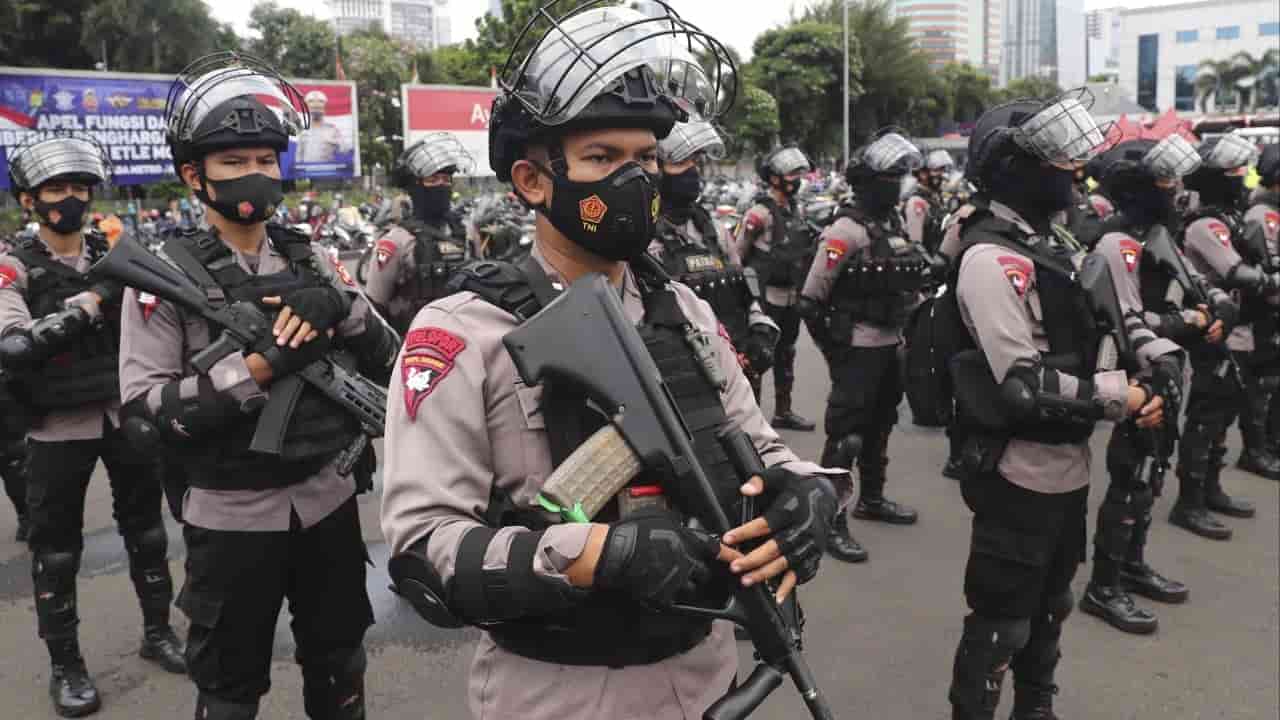
The arrests highlight the ongoing challenge for global security forces in combating decentralized and digitally-connected extremist groups, which adapt their methods to evade traditional enforcement measures.
Indonesian authorities have arrested 11 individuals suspected of links to terrorist networks in a series of operations conducted across six provinces since October 2. The suspects, aged between 22 and 52, were apprehended in West Java, Central Java, Central Sulawesi, South Sulawesi, Riau, and North Maluku.
The Indonesian National Police’s counterterrorism force, Special Detachment 88 (Densus 88), stated that the arrested individuals are believed to be affiliated with Daulah Islamiyah and other terrorist networks. Investigations revealed purported links between the suspects, despite their operations spanning different regions. Their alleged roles included network consolidation, propaganda dissemination, direct and online recruitment, and planning of terrorist acts.
Authorities noted that one uncovered scheme involved online meetings connecting supporters of Daulah Islamiyah from several regions. There were also indications that some suspects had undergone physical and shooting training related to terrorism militancy. These law enforcement measures are aimed at disrupting propaganda, recruitment, indoctrination, and training activities that could lead to violence.
Separately, Indonesia's National Counterterrorism Agency (BNPT) has sought stronger cooperation with Australia to combat online radicalization and terrorism financing. Concerns were raised about the spread of extremist narratives online targeting youth and the use of virtual assets and financial technology for terrorism funding. Australia highlighted its multi-pronged approach, including eliminating terrorism content, echoing counternarratives, and building media literacy, while also noting emerging risks from virtual currencies and generative AI in spreading propaganda.
Pick the topics you care about. Get only what matters, on your cadence.