Key facts
- Iran executed two men on Wednesday over their involvement in January's protests.
- The men, Ali Hemmati and Majid Nik-Andish, were convicted of charges including "enmity against God."
- Four security personnel were killed during the protests in Mashhad.
- The Supreme Court upheld the death sentences for Hemmati and Nik-Andish.
- At least 31 men arrested over the January protests have been executed since March 19.
- Trials for those executed have been marked by due process violations and forced confessions.
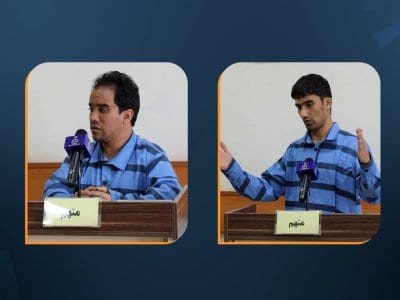
Iranian authorities executed two men on Wednesday who were convicted for their involvement in nationwide anti-government protests that began in January. The judiciary's Mizan news agency reported that Ali Hemmati and Majid Nik-Andish were executed in Mashhad after Iran's Supreme Court upheld their death sentences.
Mizan stated that Hemmati and Nik-Andish were leaders of unrest in Mashhad's Tabarsi area on January 8, during which four security personnel were killed. The agency reported that Hemmati confessed to stabbing a member of the Basij paramilitary force and Nik-Andish stabbed another, while also accusing them of arson and destruction of public property.
These executions are part of an intensified use of the death penalty against individuals detained in connection with the protests. The Oslo-based Iran Human Rights organization reported in mid-September that at least 29 men arrested over the January protests had been executed since March 19, bringing the documented tally to at least 31 with Wednesday's executions.
The United Nations Independent International Fact-Finding Mission on Iran also reported that authorities had executed at least 29 men in connection with the protests between March and the end of August. The mission noted that death sentences and executions followed trials marked by due process violations, forced confessions, and denial of access to chosen lawyers. More than 70 people, including women and minors, remained at imminent risk of death sentences or execution.
The nationwide protests, which began on December 28, 2025, initially focused on economic conditions and currency depreciation before evolving into calls for political change. Iranian security forces launched a broad crackdown, with the Human Rights Activists News Agency (HRANA) documenting thousands of deaths and tens of thousands of arrests during the initial phase of the unrest.