Key facts
- Google commits a record €13 billion ($15.1 billion) to Finnish AI infrastructure development through 2028.
- A 22-year power purchase agreement secures up to 50% of output from Fortum's Loviisa nuclear plant.
- The investment includes expanding an existing data center and building three new sites.
- The deal supports AI services and aims to provide stable, low-carbon energy.
- The project is expected to create over 37,000 jobs and add €3.6 billion annually to Finland's GDP.
Google has announced its largest single investment in Europe, a record €13 billion ($15.1 billion) commitment to Finland's AI infrastructure, set to occur over 2027 and 2028. The investment will fund the expansion of its existing Hamina data center campus and the construction of three new sites in Kajaani, Muhos, and Vaala.
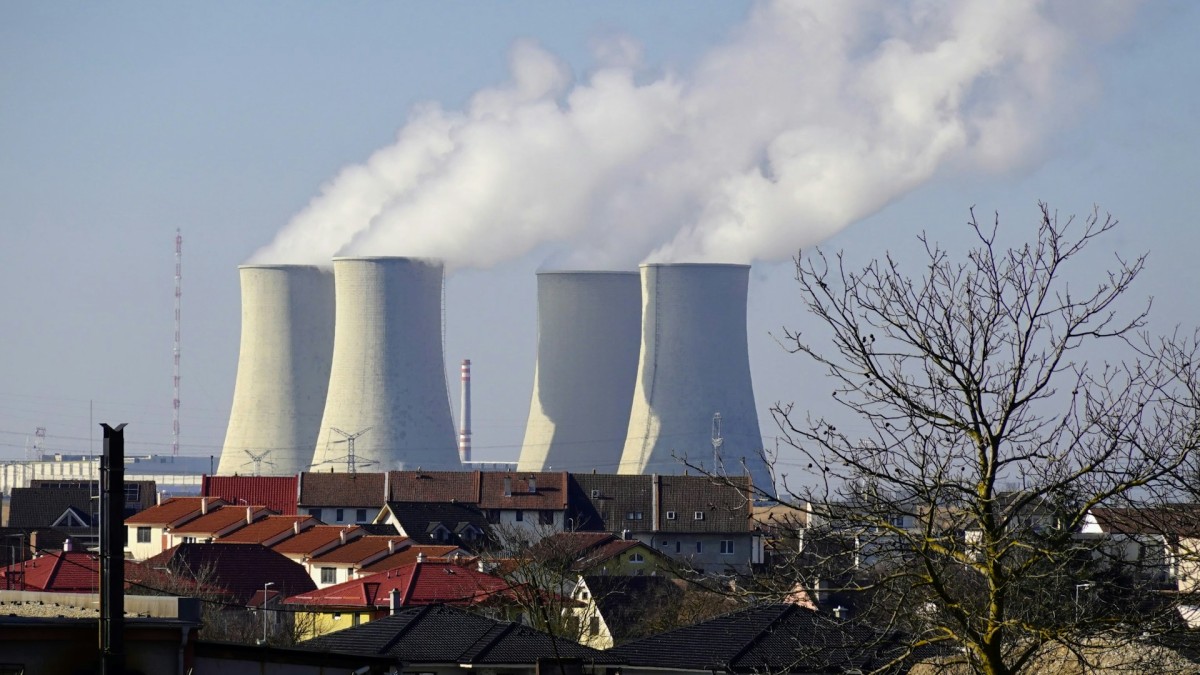
As a cornerstone of this expansion, Google has signed a 22-year power purchase agreement with Finnish utility Fortum to acquire up to 50% of the electricity generated by the Loviisa nuclear power plant. This deal aims to secure a stable, low-carbon energy supply for the increasing demands of AI services, including Gemini, Search, Maps, and YouTube.
The agreement with Fortum also supports the Loviisa plant's life-extension and upgrade program, ensuring its operation through 2050. The plant currently supplies about 10% of Finland's electricity. Fortum shares rose 10% following the announcement.
Finland's Prime Minister Petteri Orpo welcomed the investment, highlighting the country's strengths in digital infrastructure and responsible AI development. The project is projected to create over 37,000 jobs during its construction phase (2027-2028) and add an estimated €3.6 billion annually to Finland's GDP. Google anticipates around 7,000 permanent jobs once the facilities are operational.
This Finnish investment is part of Alphabet's broader global capital spending plan, which targets $195-$205 billion for 2026 to expand computing capacity for AI. Google also separately secured onshore wind contracts for 629 megawatts of capacity and a 94-megawatt battery system near Kajaani, expected online in late 2027.
Google's move follows similar corporate nuclear power deals in the U.S., including agreements by Microsoft and Amazon with energy providers.