Key facts
- Good Good is facing fallout from a controversial ad campaign.
- Callaway has ended its partnership with Good Good.
- Dick's Sporting Goods removed Good Good's products from its stores.
- Good Good withdrew its title sponsorship of a PGA Tour event.
- Two marketing employees were terminated following the scandal.
- Industry experts believe Good Good has a challenging path to recovery.
- The brand's efforts to appeal to female viewers may be significantly impacted.
- Potential strategies for redemption include self-deprecating humor or a new brand persona.
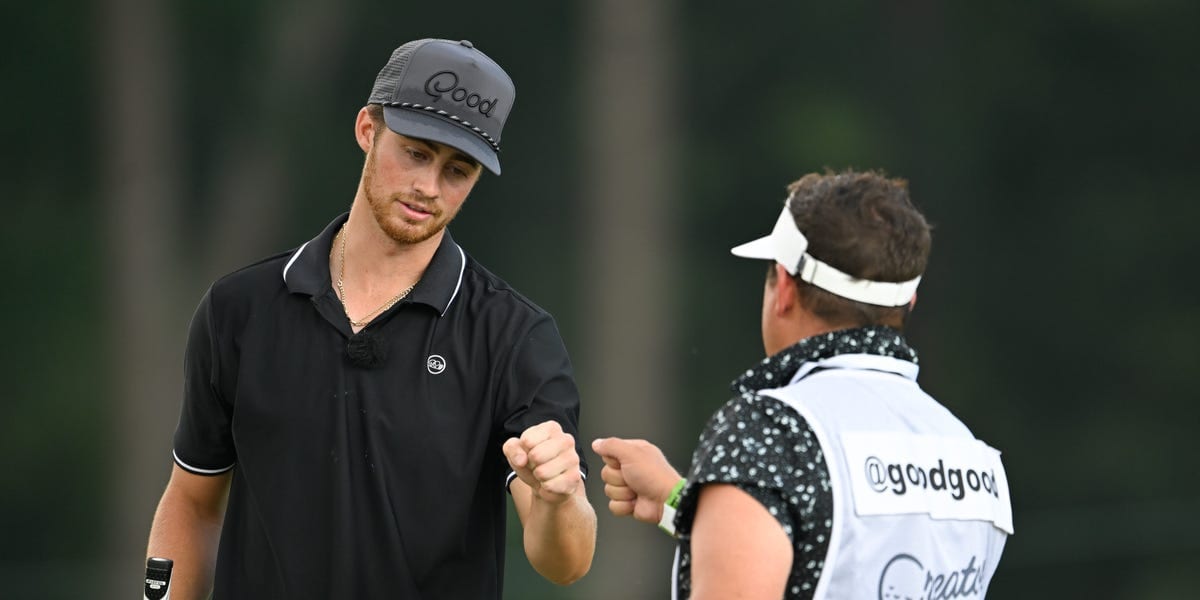
Golf YouTubers Good Good are navigating the aftermath of a controversial ad campaign that critics have accused of promoting violence against women. The scandal has led to significant business repercussions, including the termination of partnerships and the removal of products from retail shelves.
Last week, golf equipment company Callaway severed ties with Good Good. Dick's Sporting Goods also removed products associated with the group from its stores. Furthermore, Good Good stepped back from its title sponsorship of a fall PGA Tour event. A source close to the group confirmed that two marketing employees were fired in response to the situation.
Industry experts view the situation as serious, with Joe Perello, CEO of creator marketing company Props, stating that the group has a "long road ahead" to re-establish relationships with major manufacturers and retailers. He noted that other emerging golf brands are poised to fill any void left by Good Good.
The diversified business model that contributed to Good Good's success and enabled it to raise $45 million last year also made it vulnerable to partners unwilling to endure negative publicity. Chris Erwin, founder of RockWater, an M&A and strategy advisory firm for the creator economy, suggested that further consequences could still emerge, potentially impacting partnerships like the one with Dude Perfect, which was aimed at engaging younger audiences.
Despite the challenges, Erwin and others believe Good Good's situation is not irrecoverable. The group possesses substantial financial resources, a large subscriber base of over 2 million, and has gained considerable attention due to the scandal. The recent appointment of a new president may also help stabilize the brand.
Good Good could potentially strengthen its connection with its core audience through paid subscriptions, direct-to-consumer product sales, and live events during its recovery period. Erwin suggested that this moment presents an opportunity for the brand to demonstrate its true character, which could lead to a stronger business if advertising partnerships are re-established.
Previously, Good Good cultivated a brand-friendly image and launched a campaign called "There's More to Golf" to promote inclusivity. The current ad scandal could significantly impede its efforts to attract a female audience. Research from Zappi indicated a notable gender divide in ad reception, with women being at least twice as likely as men to react negatively to the promotional content involving Good Good and Callaway.
Possible strategies for Good Good include rebranding with a more "outlaw" persona or employing humor to regain public favor. Perello recommended using self-deprecating humor as a swift path to redemption, advising the group to "make hay of this and put yourself at the butt of the joke."
From a broader perspective within the creator economy, influencer marketing remains a significant component of marketing strategies for companies. However, the Good Good incident may prompt marketers to implement more robust ad-approval systems to prevent similar issues. Ben Woods, head of creator economy at Enders Analysis, suggested that brands and agencies might reassess the balance between creative freedom and oversight, leading to increased scrutiny of creators and more rigorous creative sign-off processes.
This dynamic between brands and creators regarding control has been ongoing for years. The outcome could be a temporary reduction in the perceived authenticity of creator content as marketers implement tighter controls. Perello anticipates an "overcorrection" where "creator content will become less authentic."
Despite these potential shifts, industry insiders do not foresee any lasting negative impact on the overall growth of influencer marketing. Projections indicate that US advertisers are expected to spend $44 billion on creator marketing by 2026, an 18% increase from 2025, according to the Interactive Advertising Bureau.