
Key facts
- Earl Spencer's memoir, "Swan Song: Diana, My Sister," is a bestseller.
- The book details Princess Diana's struggles and her relationship with the monarchy.
- Spencer claims King Charles was "giddily elated" after Diana's death.
- Buckingham Palace rejected Spencer's claims, stating that "the pain of fraternal grief can cloud reason, affect judgment and colour memory."
- The British monarchy has a history of surviving various crises, including the death of Princess Diana and Prince Harry's memoir.
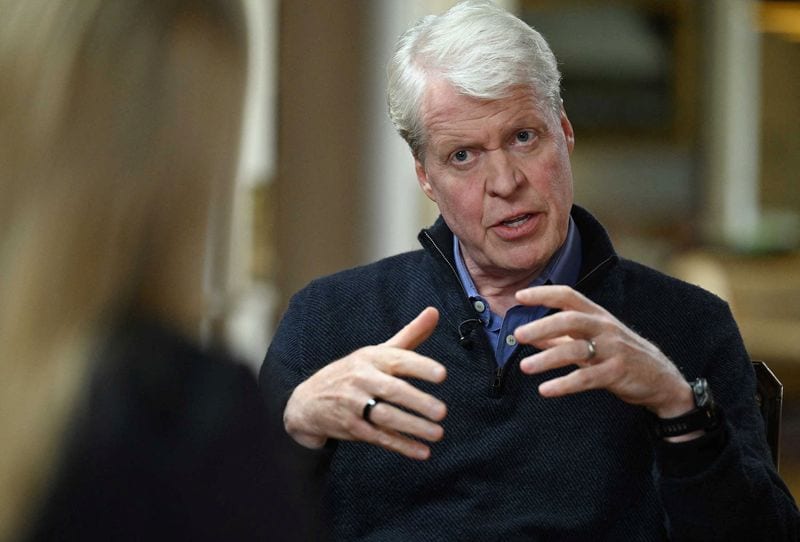
Buckingham Palace is navigating the latest controversy stemming from Earl Spencer's memoir about his late sister, Princess Diana. The book, titled "Swan Song: Diana, My Sister," has topped bestseller lists, reigniting discussions about Diana's struggles and her relationship with the monarchy and King Charles.
Spencer claims in the memoir that King Charles was "giddily elated" following Diana's death in 1997. Buckingham Palace issued a rare and strong rebuttal, stating that "the pain of fraternal grief can cloud reason, affect judgment and colour memory." This statement was seen by some as a risky, cold approach, reminiscent of the public perception of the royals after Diana's death.
However, veteran royal author Robert Hardman believes the monarchy will weather this storm, comparing it to past crises such as the 1990s marital issues of the queen's children and Prince Harry's memoir "Spare." He noted that opinion polls remained largely unaffected during previous turbulent periods. A friend of the king described the impact as "denting the bonnet but doesn’t crack the chassis."
The monarchy has historically adapted its "never complain, never explain" policy in the wake of public scrutiny, particularly after Diana's death. The current challenges are compounded by ongoing drama surrounding Prince Harry and a police investigation into Prince Andrew, which threaten to overshadow the working royals' efforts and justify taxpayer funding.
Despite the uncomfortable revelations for Charles, Spencer's book is reportedly less critical of the monarchy as an institution, perhaps acknowledging the future reign of his nephew, Prince William. Spencer himself has expressed a desire for a more modern monarchy, finding some of its traditions "jarring."