Key facts
- Cuba was a popular tourist destination in the 1950s, known for its entertainment, hospitality, and proximity to the US.
- The island now faces shortages of food, water, fuel, and medicine, along with recurring power outages.
- Vintage cars and historic buildings remain part of Cuba's streetscape, similar to the mid-20th century.
- The US trade embargo, in place since 1962, has restricted foreign trade and investment in Cuba.
- US President Donald Trump signed an executive order in January 2026 to impose tariffs on oil imports to Cuba.
- Recent reforms aim to open Cuba to more private businesses and attract investment, though the state remains central to the economy.
Cuba's socio-economic landscape has been dramatically reshaped since Fidel Castro's ascent to power on New Year's Day 1959. In the 1950s, the island was a thriving tourism hub, attracting foreign travelers with its cosmopolitan atmosphere, entertainment, and hospitality, despite underlying political repression and corruption.
Following Castro's revolution, Cuba became the first communist state in the Western Hemisphere. Decades of economic isolation, largely due to the US trade embargo established in 1962, have led to persistent shortages of essential goods like food, water, fuel, and medicine, alongside frequent power outages.
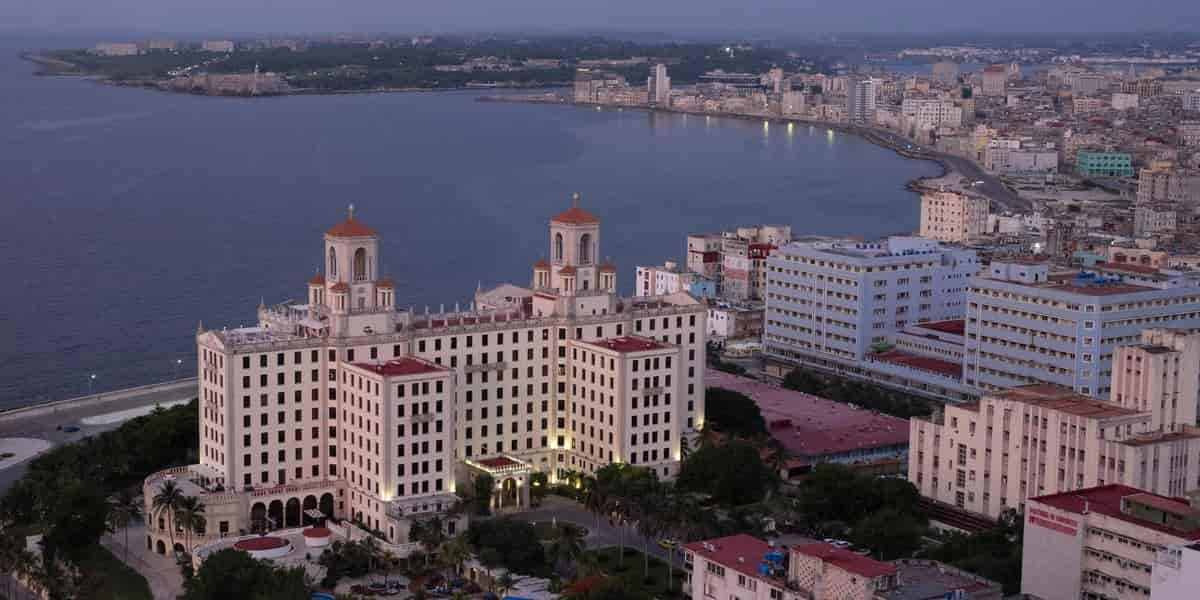
Despite these challenges, some aspects of Cuban life echo the past, with historic buildings and vintage cars still visible. Tourists continue to visit for the beaches, hospitality, and nightlife.
In a recent development, on January 29, 2026, US President Donald Trump signed an executive order to implement additional tariffs on countries that supply oil to Cuba, following the US capture of Venezuelan President Nicolás Maduro and the subsequent blocking of Venezuelan oil shipments. While Cuba has introduced reforms to encourage private enterprise and attract investment, the authoritarian state's control over the economy continues to shape daily life, which remains significantly more difficult for most citizens than nostalgic imagery might suggest.