Key facts
- Japan's government will accelerate its spending review, modeled on the U.S. Department of Government Efficiency (DOGE).
- The review will scrutinize 201 special-purpose government funds with estimated balances of around 7 trillion yen ($44.35 billion).
- The goal is to return idle or long-unused money to the national treasury and implement stricter cost-benefit assessments for subsidies.
- Funds are sought for Prime Minister Sanae Takaichi's pledges, including a planned cut to the consumption tax on food from April 2027.
- Concerns over Takaichi's spending plans have pushed 10-year Japanese government bond yields to multi-decade highs.
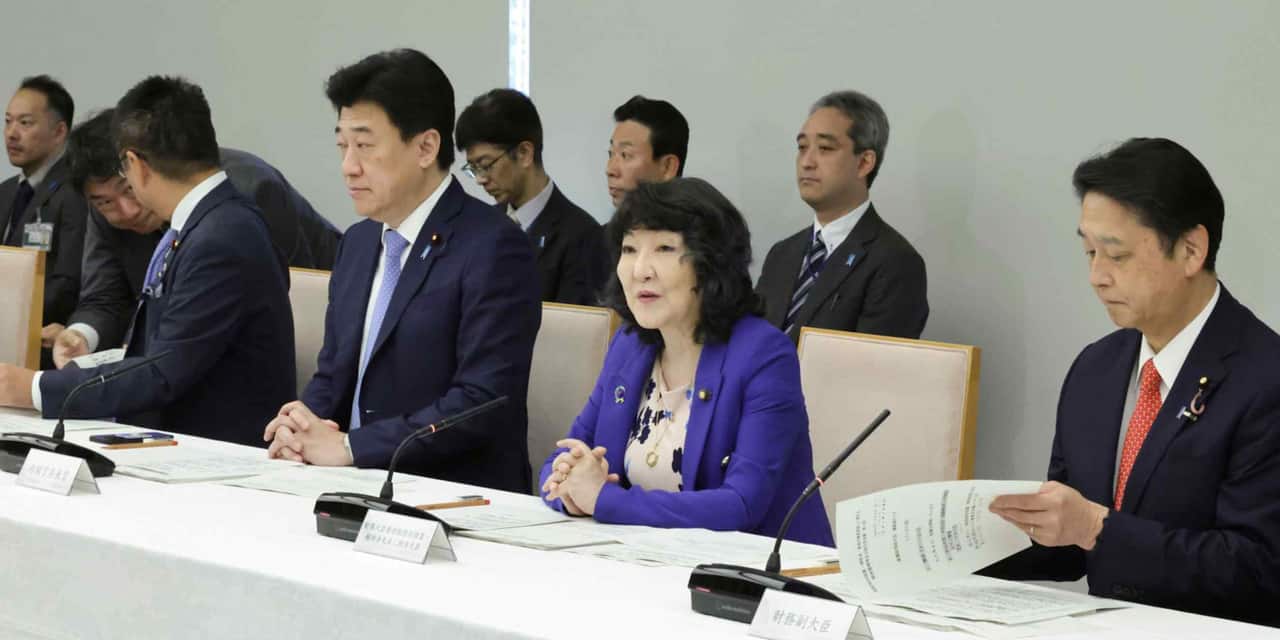
Japan's government is set to accelerate its spending review, modeled on the U.S. Department of Government Efficiency (DOGE), to identify funding for Prime Minister Sanae Takaichi's costly policy pledges. Finance Minister Satsuki Katayama stated on Friday that previous efforts had not gone far enough.
The renewed push follows a lackluster first review of special tax measures earlier this year, which resulted in only three abolition proposals out of approximately 120 tax breaks examined. This outcome has increased pressure on the government to adopt a more aggressive approach as it seeks funds for a planned cut in the consumption tax on food from April 2027, alongside rising demands for defense and industrial policy spending.
The current review will focus on 201 special-purpose government funds, which are estimated to hold balances totaling around 7 trillion yen ($44.35 billion) by the end of the next fiscal year. The plan mandates the return of idle or long-unused money to the national treasury and requires stricter cost-benefit assessments for subsidy programs, utilizing external experts and evidence-based policymaking.
This initiative comes amid concerns over Japan's public finances, which have driven the benchmark 10-year Japanese government bond yield to multi-decade highs. Prime Minister Takaichi has pledged to cap new debt issuance at around 40 trillion yen, despite record budget requests for the upcoming year reaching 143 trillion yen. A government source indicated that Takaichi has high expectations for the DOGE review as a significant source of new revenue.
However, some economists caution that shifting resources from funds and subsidies to finance a consumption tax cut could prioritize demand stimulus over supply-side measures, potentially being less effective for strengthening Japan's growth potential and more inflationary. The findings of the review are expected to influence year-end tax reform and budget negotiations, with the government under pressure to demonstrate fiscal responsibility to bond investors.