Key facts
- Malaysia proposed a 459.8 billion ringgit ($112.48 billion) budget for 2027.
- The 2026 fiscal deficit target was revised to 3.6% of GDP from 3.5%.
- The 2027 deficit is projected to decline to 3.3%.
- Economic growth is forecast between 4.2% and 5.2% for 2027.
- Headline inflation is forecast between 1.8% and 2.8% for 2027.
- Petronas will pay a 32 billion ringgit dividend to the government in 2027.
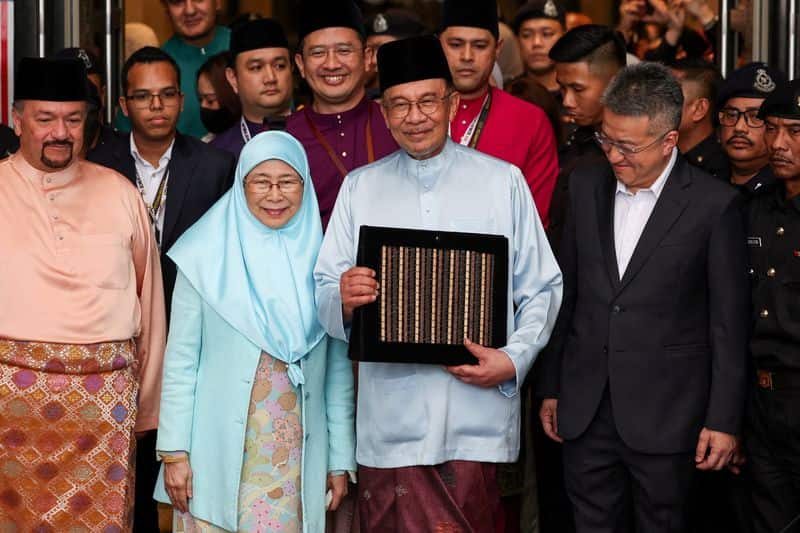
Malaysia's government has proposed a budget of 459.8 billion ringgit ($112.48 billion) for 2027, signaling increased spending ahead of a potential election. The budget is described as moderately expansionary, despite growing fiscal pressure from higher global oil prices which have increased the nation's annual subsidy bill. The government revised its 2026 fiscal deficit target slightly upward to 3.6% of gross domestic product from 3.5%, citing the impact of energy costs. However, Prime Minister Anwar Ibrahim, who also serves as finance minister, downplayed concerns about fiscal slippage, stating that Malaysia remains committed to its medium-term fiscal objectives. He projected the deficit to decline to 3.3% in 2027. Malaysia's economy is expected to remain resilient, with growth projected between 4.2% and 5.2% in 2027, supported by sustained domestic demand. The economic growth forecast for 2026 was also raised to the upper end of the 4.8% to 5.3% range. Headline inflation for 2027 is forecast to be between 1.8% and 2.8%, reflecting higher energy and food costs. The 2027 spending plan represents a 3.6% increase over the revised budget for the current year. Revenue is anticipated to rise by 4.7% to 380.8 billion ringgit in 2027. State energy firm Petronas is set to contribute a dividend of 32 billion ringgit to the government in 2027, an increase from the revised estimate for the current year. Subsidies and social assistance spending are expected to reach 74.5 billion ringgit in 2026.