Key facts
- Nepal faces significant economic losses from frequent natural disasters like floods, landslides, earthquakes, and drought.
- Non-life insurance penetration in Nepal is low at 0.7%, compared to the global average of 4.3%.
- The 2015 Gorkha earthquake caused USD 5.2 billion in damages, with only USD 210 million insured.
- Disasters erode approximately 2% of Nepal's annual GDP.
- Nepal's insurance industry has a dichotomy, with life insurance penetration near the global average but non-life insurance lagging significantly.
- There are 18 non-life insurance firms in Nepal, including four micro-insurers.
Nepal is highly susceptible to natural disasters, including floods, landslides, earthquakes, and drought, which inflict significant economic damage and hinder development. Despite these recurring threats, insurance coverage, particularly non-life insurance, remains critically low, leaving a large portion of the population and economy vulnerable.
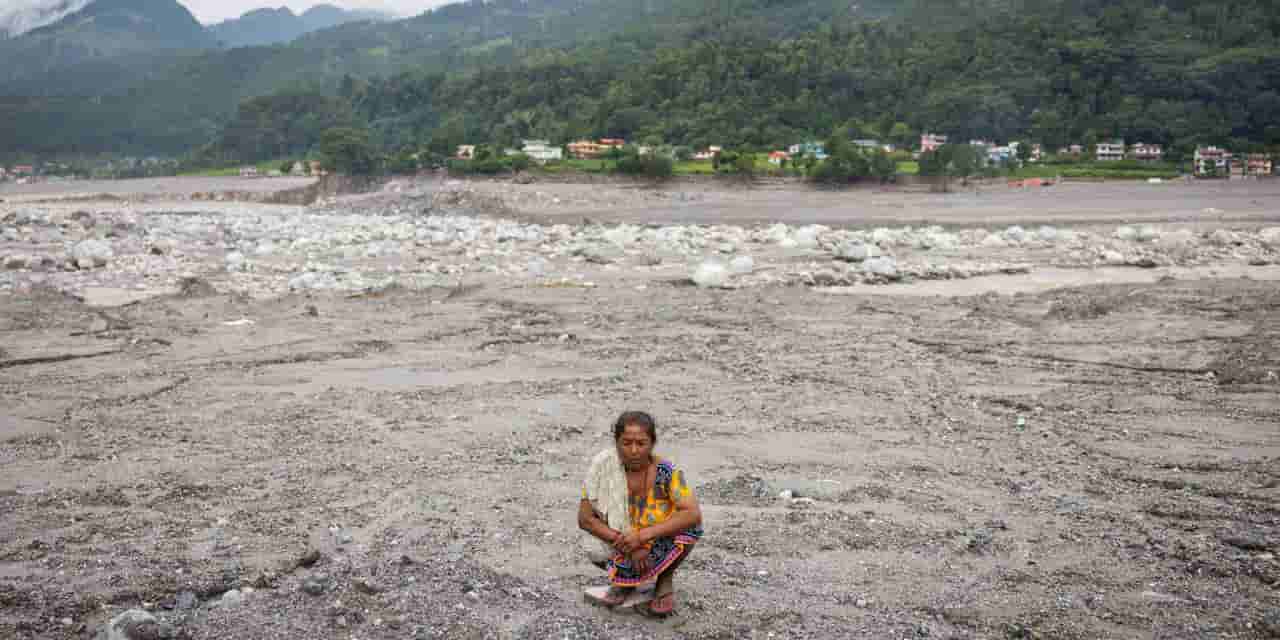
Recent events, such as the August 26 flash flood that caused billions of dollars in damage to infrastructure and property, underscore the urgent need for better risk management. The 2015 Gorkha earthquake, for instance, resulted in USD 5.2 billion in damages, with only a fraction of that being insured. On average, disasters erode about 2% of Nepal's national GDP each year.
Stakeholders, including government representatives, insurance companies, and development partners, have emphasized the importance of inclusive insurance and risk financing. These tools are seen as essential for safeguarding lives, livelihoods, infrastructure, and homes from the impacts of climate change and disasters. They can also provide sustainable coverage for critical sectors like healthcare, education, and agriculture.
The non-life insurance sector in Nepal comprises 18 firms, including four micro-insurers. However, non-life insurance penetration stands at a mere 0.7%, significantly lower than the global average of 4.3%. This contrasts sharply with Nepal's life insurance penetration, which is closer to the global average. The non-life sector is also noted to be skewed towards auto insurance rather than property or disaster-related risks.
Recommendations to improve the situation include expanding insurance distribution channels, conducting more research into consumer demand, building capacity in disaster risk financing, and enhancing disaster risk assessment. These measures aim to recalibrate public perception and access to non-life insurance, thereby fostering sustainable economic development amid Nepal's challenging disaster landscape.