Key facts
- Conagra Brands says consumers are increasingly asking AI what snacks to buy.
- Demand is growing for higher-protein foods, bold flavors, and products tailored to specific health goals.
- Younger consumers, particularly Gen Z, are driving demand for bolder flavors.
- Consumers are using AI tools to find snacks that meet particular needs like higher protein or fiber content.
- Traditional categories like cookies and salty snacks have been under pressure.
- Nutrient-dense snacks and snacking for purpose are growing and accelerating.
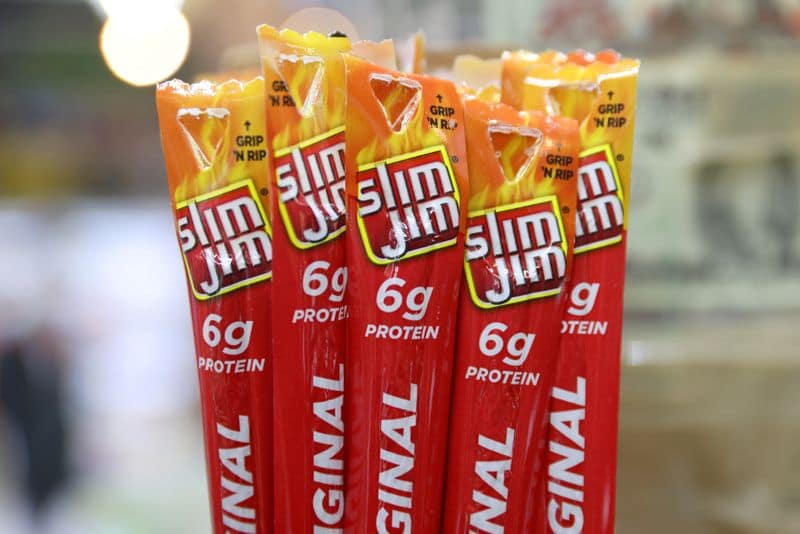
Americans are increasingly turning to artificial intelligence to help them decide what snacks to eat, according to Conagra Brands. The maker of Slim Jim meat sticks and Hunt's ketchup stated that this trend is fueling demand for healthier options, including higher-protein foods, bold flavors, and products designed for specific health objectives. This shift is partly attributed to the rise of weight-loss drugs and health-focused government initiatives.
Conagra collaborated with research firm Circana to analyze over 53 million shopping transactions involving 17,000 products within the US snacking sector. This market generates $198.2 billion in annual retail sales and is expanding at a rate approximately 1.4 times faster than the overall food market. Bob Nolan, Conagra's senior vice president of growth science, noted that consumer eating and shopping habits have undergone more significant changes in the six years since the COVID-19 pandemic began than in the preceding five decades.
Nolan explained that snacks are fulfilling more personal roles for consumers, whether for a protein boost, sustained energy, or comforting indulgence. Health trends are a significant factor, but Conagra's research also indicates that younger consumers, particularly Gen Z, are seeking out bolder flavors, such as sweet-and-spicy or tangy and briny combinations. Consumers are scrutinizing ingredients more closely and utilizing AI tools to inform their purchasing decisions, often searching for snacks that meet specific nutritional criteria like higher protein or fiber content, rather than specific products.
This evolving consumer preference has put pressure on traditional snack categories, with cookies and salty snacks reportedly struggling. Nolan observed that the emergence of more nutrient-dense snacks and the trend of 'snacking for purpose' are experiencing substantial growth and acceleration.