Key facts
- China accused Taiwan of "desecrating the martyrs" with criticism of Beijing's World War Two narrative.
- Taiwan argues Beijing is lauding the Republic of China, not the current People's Republic of China.
- Beijing claims communist guerrilla forces were the backbone of China's fighting against Japan.
- The Kuomintang forces fought Japan on the main battlefield, while communists opened rear battlefields, according to Beijing.
- Taiwan was a Japanese colony from 1895 to 1945 and was handed over to the Republic of China government after the war.
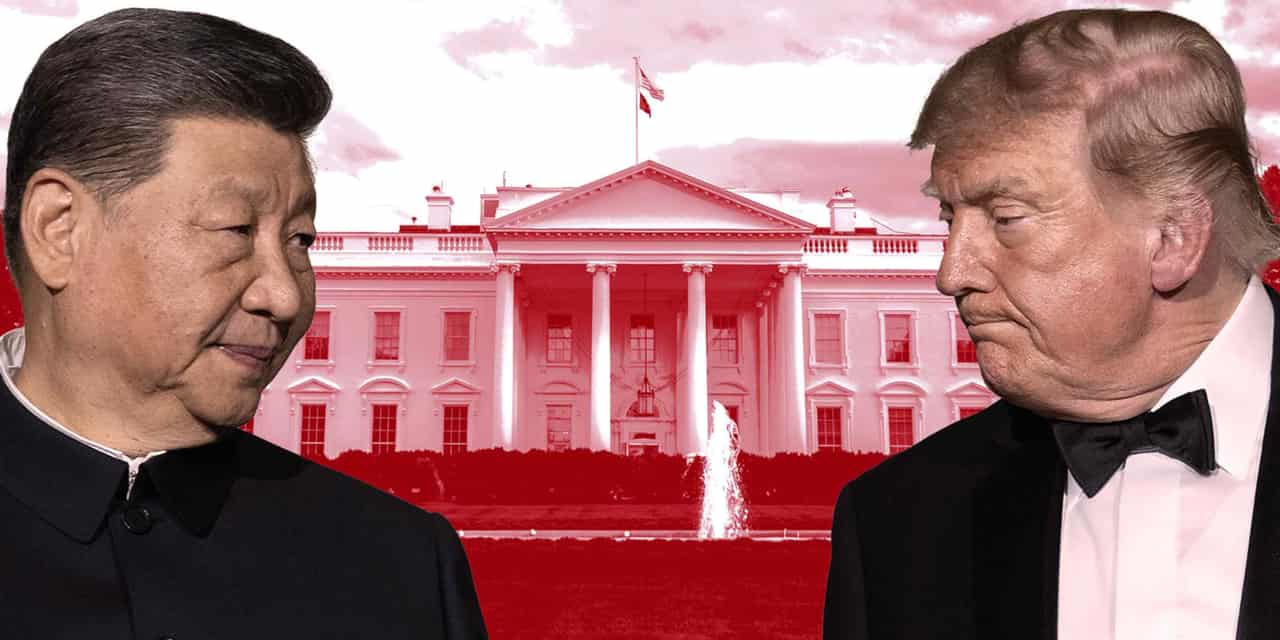
BEIJING, Sept 30 (Reuters) - China's government on Wednesday accused Taiwan of "desecrating the martyrs" with its criticism of Beijing's interpretation of World War Two, stating that questioning the narrative over the conflict was a betrayal of history. China takes the legacy of the war, in which millions of Chinese died during the Japanese invasion, very seriously. Both Chinese President Xi Jinping and US President Donald Trump last week emphasized their countries' alliance at the time.
Taipei, however, argues that Beijing is lauding the wrong China, given that the government at the time was the Republic of China, which fought with the allies, not today's People's Republic of China. The Republic of China government fled to Taiwan in 1949 after losing a civil war and that remains its formal name.
Speaking at a weekly news briefing in Beijing, Zhang Han, a spokeswoman for China's Taiwan Affairs Office, said Taiwan's ruling Democratic Progressive Party (DPP) was trying to distort World War Two history. "This is a betrayal of history, a desecration of the martyrs, and a betrayal of the nation," she added.
Beijing asserts that during the war, communist guerrilla forces acted as the backbone of the fighting in China, and its official history gives mainly passing mention of the Republican forces. Zhang stated that the forces of the Kuomintang fought Japan on the main battlefield – the then-ruling party in China and these days Taiwan's largest opposition party – with the communists "opening vast rear battlefields behind enemy lines."
"The victory in the war of resistance was the victory of the entire nation and also an important component of the world anti-fascist war's victory, deserving of joint commemoration and remembrance by compatriots on both sides of the Taiwan Strait," she said. Taiwan was a Japanese colony from 1895 to 1945 and at the end of the war was handed over to the Republic of China government, which ruled under martial law until 1987.
The victory in the war and Taiwan's recovery are a "shared glory of the Chinese people and the Chinese nation," Zhang added. The DPP traditionally espouses Taiwan's separate identity and history from China, and rejects Beijing's territorial claim. China refuses to speak to Taiwan President Lai Ching-te, calling him a "separatist."