Key facts
- Belarus is attempting to re-engage with the West through a U.S. potash deal and talks with Poland.
- The U.S. lifted sanctions on Belarus' potash sector in exchange for prisoner releases.
- Poland has seen a significant decrease in irregular migration from Belarus.
- European sanctions continue to block the transit of Belarusian potash through Lithuania.
- Belarusian dictator Alexander Lukashenko has previously navigated periods of Western isolation.
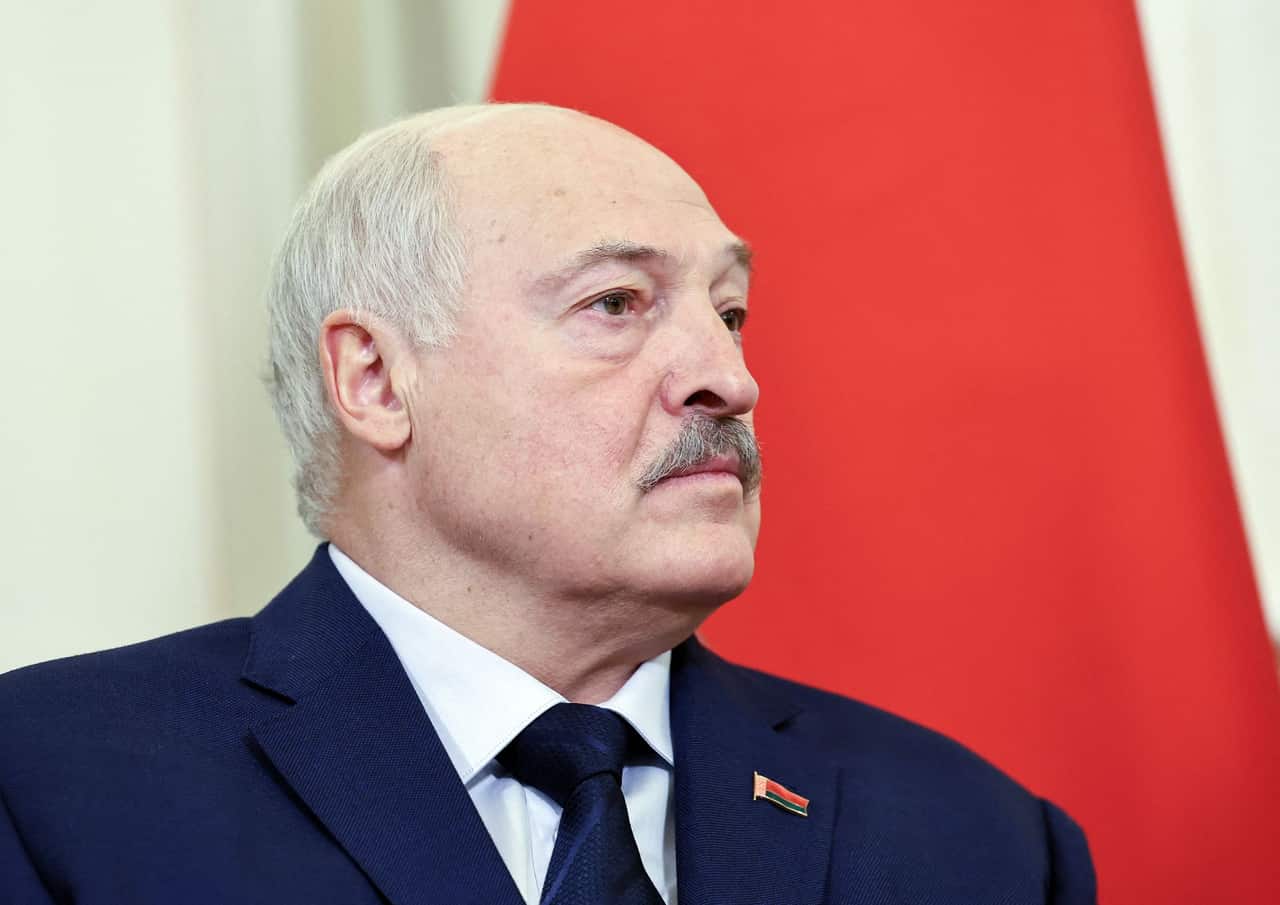
Belarusian dictator Alexander Lukashenko is once again seeking to mend ties with the West, leveraging a significant potash deal with the U.S. and engaging in diplomatic talks with Poland. This strategy aims to overcome international isolation imposed after the disputed 2020 elections and Belarus' role in supporting Russia's war in Ukraine.
The U.S. has been gradually easing sanctions on Belarus since January 2025, in exchange for the release of political prisoners. In December 2025, sanctions against the Belarusian potash sector were lifted after over 100 prisoners were freed, followed by further restrictions being removed in March for the release of 250 more prisoners. The U.S. sees this as a tool to potentially influence Russia through its ally.
A "massive" potash deal announced by U.S. President Donald Trump on Sept. 21 promises cheaper Belarusian potash for American farmers, potentially impacting supplies from Canada. The first shipment of 30,000 metric tons is expected in New Orleans in October. Before sanctions, Belarus supplied about 20% of the global potash market. The deal helps improve Belarus' reputation and financial standing, according to Dzmitry Kruk, a senior researcher at BEROC, though logistics make Canadian potash more competitive.
However, the main obstacle to Belarus fully re-entering global markets remains European sanctions, which block transit through neighboring Lithuania's port of Klaipeda. Rikard Jozwiak, an editor at Radio Free Europe/Radio Liberty, notes that Washington is likely pushing Brussels to lift these sanctions.
Poland, historically hawkish towards Belarus due to issues like the engineered migration crisis and support for Russia's war, has cautiously engaged with Minsk. Foreign Minister Radoslaw Sikorski met his Belarusian counterpart Maxim Ryzhenkov in September, the first ministerial-level meeting in seven years. While not a "breakthrough," the meeting allowed for discussions on border and regional security. Analysts like Kamil Klysinski and Katia Glod view these steps as marginal, with no substantive change in Belarus' domestic repression or its stance on the Ukraine war.
Despite past tensions, Poland has noted a significant easing of irregular migration pressure on its border, with a 96% drop in 2026 compared to 2022. This de-escalation, partly due to border defenses, has created a starting point for re-engagement. Poland expects Belarus to cease "aggressive gestures" towards all EU member states for full normalization.