Key facts
- Christa Pike survived two lethal injection attempts in Tennessee on Wednesday.
- Pike is critically ill and receiving life-saving medical care.
- Tennessee has suspended all executions for the remainder of the year.
- Pike was convicted of the 1995 killing of Colleen Slemmer.
- The failed execution has led to calls for a nationwide halt to the death penalty.
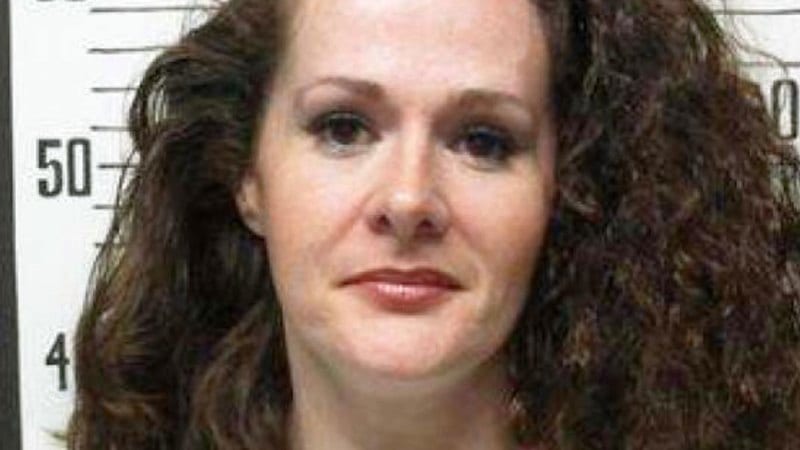
Tennessee has suspended all executions for the remainder of the year after a botched lethal injection attempt on Christa Pike left the prisoner alive and in critical condition. The procedure was called off late on Wednesday after Pike had been injected with two full syringes of pentobarbital, a dose considered fatal.
Eyewitnesses reported that an hour after the first injection, Pike was still breathing and struggling, and had a heartbeat. Her lawyers stated that her current condition and potential brain damage are unknown. Sandra Babcock, a death penalty scholar advising Pike’s legal team, described the events as "unimaginably barbaric" and called for accountability and a commutation of Pike’s sentence.
Pike, 50, was sentenced to death for the 1995 killing of 19-year-old Colleen Slemmer. She was set to be the first woman executed in Tennessee in over 200 years. Lawyers and faith leaders are calling for a nationwide moratorium on the death penalty, citing a pattern of botched executions and violations of the constitutional prohibition against cruel and unusual punishment.
Bryan Stevenson of the Equal Justice Initiative noted that nearly a dozen botched executions in recent years should have already led to a suspension. He questioned whether governments that tolerate inequality and bias "deserve to kill." Helen Prejean, a prominent death penalty abolitionist, called the events "the essence of cruelty" and hoped Pike’s agony would "wake up the nation."
Experts like Joel Zivot, a professor of anesthesiology, have criticized lethal injections as an "impersonation of a medical act." Zivot had previously warned Pike’s legal team about her blood condition and likely poor vein quality, which he believed would complicate IV procedures.
The calls for a pause come as pressure to carry out executions is peaking, with Donald Trump urging states and the federal government to expedite judicial killings. Last year saw 47 executions across 12 states, the highest in 16 years. Prejean suggested that bringing the public closer to the execution process, which has become more secret, could shift sentiment, noting that support for the death penalty has declined from 80% in 1993 to 52% currently.