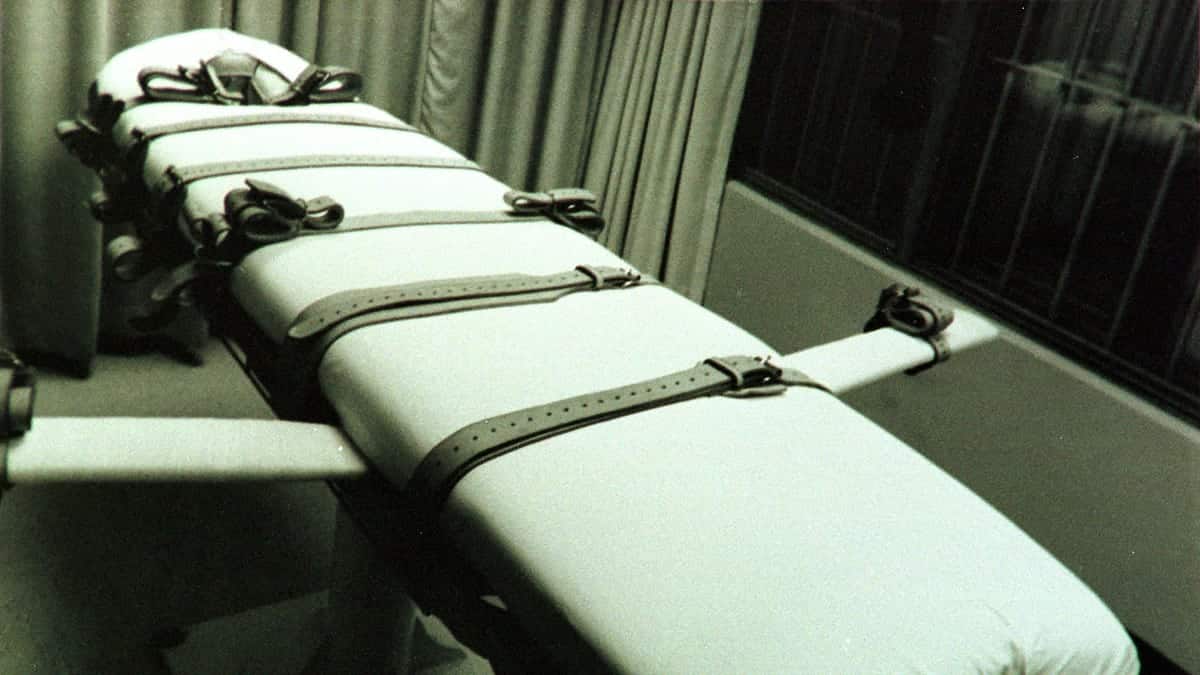
Key facts
- Tennessee's attempt to execute Christa Pike by lethal injection failed.
- Pike was sentenced to death for the 1995 murder of Colleen Slemmer.
- Attorneys stated Pike experienced "unnecessary agony" after receiving two syringes of lethal injection chemicals.
- Since 1982, at least 64 executions in the U.S. have been botched, with lethal injection being the most common method.
- Seven execution attempts have failed entirely due to inability to properly insert intravenous lines.
Tennessee's attempt to execute Christa Pike by lethal injection on October 1, 2026, was marred by significant problems, leading Governor Bill Lee to call the event "deeply disturbing."
Pike was sentenced to death for the brutal 1995 murder of her romantic rival, 19-year-old Colleen Slemmer. According to her attorneys, Pike was still alive and experiencing "unnecessary agony" after receiving two syringes of lethal injection chemicals. They filed an emergency motion to halt the process, citing concerns about difficult vein access, degraded pentobarbital, and a lack of available emergency medical care, all under a protocol they described as "veiled in secrecy."
Lethal injection is the most common execution method in the United States and also the most frequently botched. Since 1982, there have been at least 64 botched executions, with the vast majority involving lethal injection, according to an analysis by the Death Penalty Information Center. Seven of these attempts failed entirely because officials could not properly insert intravenous lines. Experts like Ngozi Ndulue, deputy director of the Death Penalty Information Center, note that well-trained medical professionals are often reluctant to participate in executions due to ethical concerns, potentially leading to issues when less experienced personnel are involved.
Fordham University law professor Deborah Denno stated that if Pike survived after receiving two doses of pentobarbital, it would be "quite extraordinary" in modern times, recalling only one similar case from 1946.