Key facts
- The Atlantic hurricane season has experienced historic quietude, with no hurricanes formed by September 11, a first since records began in 1944.
- The current season's accumulated cyclone energy ranks 77th out of 77 years since 1950, at only 7 percent of normal levels.
- A strengthening El Niño in the Pacific Ocean is cited as the primary reason for the lack of tropical activity in the Atlantic.
- The quiet season has benefited coastal areas by avoiding destructive landfalling hurricanes and their associated rainfall.
- The El Niño phenomenon is expected to cause disruptions such as diminished rains impacting travel through the Panama Canal and potentially poor rice harvests in Asia.
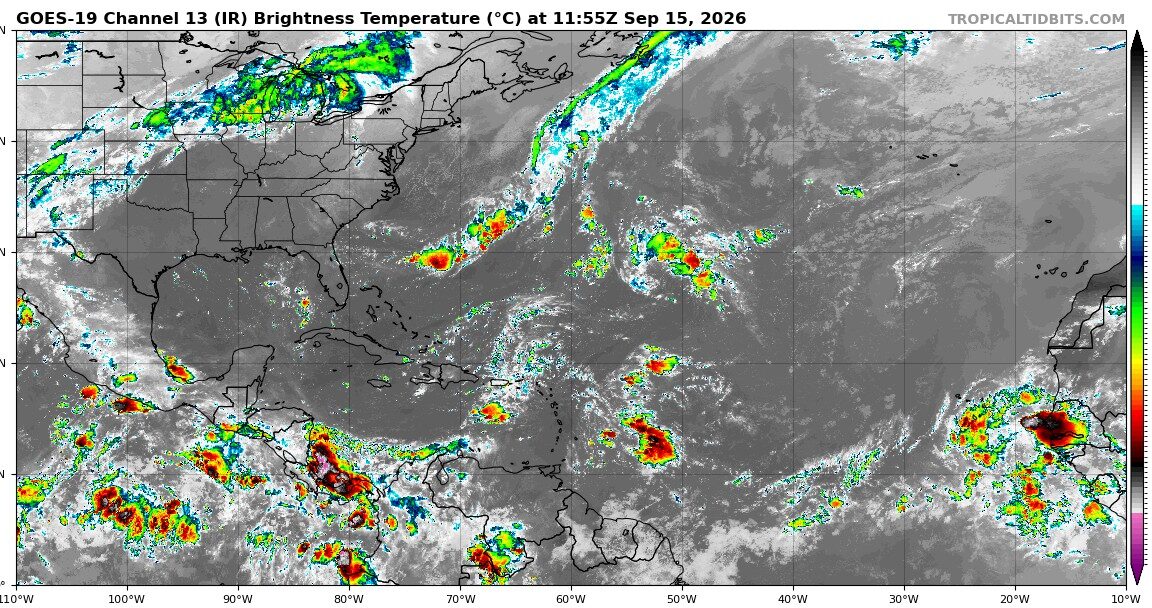
The Atlantic hurricane season has been remarkably quiet, passing its traditional mid-September peak without any tropical storms or hurricanes forming. This historic lull is attributed to atmospheric conditions, including Saharan dust and wind shear, which have suppressed tropical development in the main region where storms typically form.
Official records dating back to 1944 show that a hurricane had formed by September 11 every year until now. The latest previous first hurricane formations were in 2002 and 2013. If records are extended back to 1851, the earliest first hurricane formation on record was September 17, 1941. The National Hurricane Center is currently monitoring one disturbance but gives it a very low probability of developing.
By other measures, the season is also extraordinarily quiet. Accumulated cyclone energy, a metric used to gauge overall season activity, ranks 77th out of 77 years since 1950, with current levels at just 7 percent of normal. This quiet period has been beneficial in preventing destructive landfalling hurricanes and their inland rainfall.
The primary driver for this subdued activity is a strengthening El Niño in the Pacific Ocean, which is creating hostile wind shear levels over the Atlantic. While this has brought calm to the Atlantic tropics, the broader impacts of El Niño are expected to be disruptive, potentially affecting travel through the Panama Canal and leading to agricultural issues in Asia. The phenomenon may also contribute to record global temperatures next summer, with 2027 predicted to be the hottest year on record.