Key facts
- The U.S. animal food industry has an economic footprint of $267.1 billion.
- Nearly 5,650 U.S. animal food manufacturers supported over 80,300 jobs and paid $18.5 billion in taxes in 2023.
- U.S. animal food exports reached $7.8 billion in 2025.
- As of 2023, upcycled ingredients comprised at least 50% of pet food ingredients and 37% of livestock feed ingredients.
- The report covers efforts to modernize federal regulations, enhance food safety, and protect animal and human health.
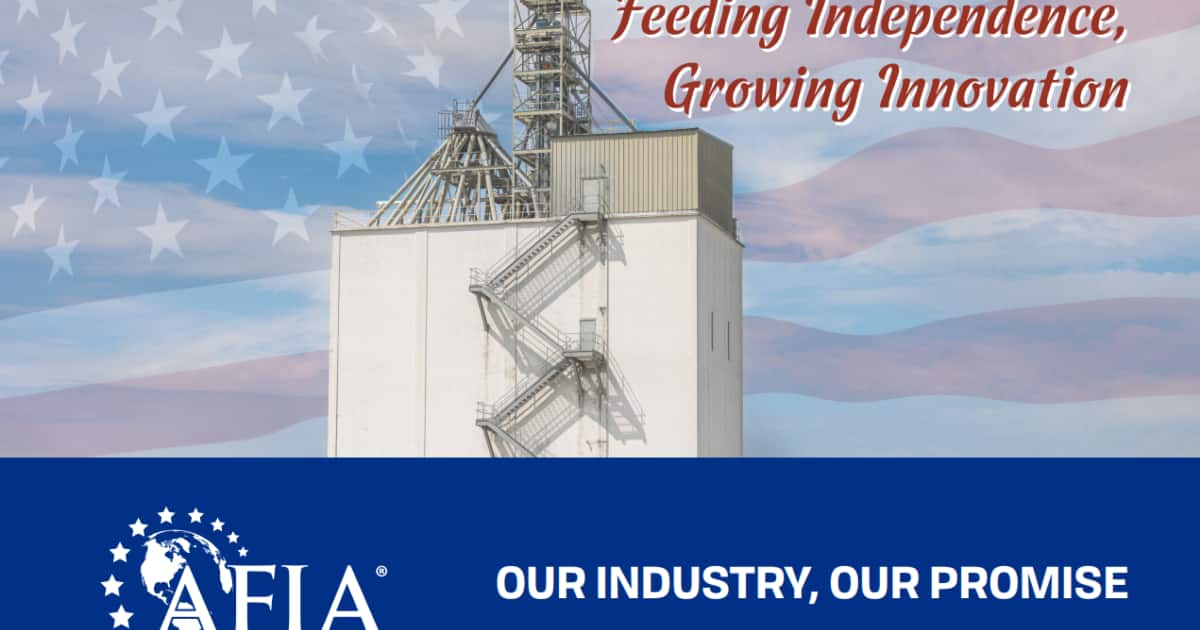
The American Feed Industry Association (AFIA) has released its "Our Industry, Our Promise" report, detailing the U.S. animal food industry's significant economic contributions and its ongoing efforts in innovation, safety, and sustainability. The report highlights the industry's resilience amidst political, regulatory, and global market changes.
The animal food industry boasts an economic footprint of $267.1 billion, with nearly 5,650 manufacturers supporting over 80,300 jobs and contributing $18.5 billion in taxes in 2023. The report emphasizes a strong commitment to animal food safety, with over 1,000 facilities certified and high compliance rates in federal inspections. It also details the industry's progress in supply chain resilience, with U.S. animal food exports reaching $7.8 billion in 2025, and its leadership in sustainability, with upcycled ingredients making up a substantial portion of pet food and livestock feed.
AFIA's advocacy efforts include advancing ingredient review reforms and supporting legislation like the Innovative Feed Enhancement and Economic Development Act. The report also addresses operational challenges faced by manufacturers, such as domestic supply chain issues and discrepancies between state and federal regulations. Educational and professional development programs for industry professionals are also highlighted.
Looking ahead, the report anticipates future collaboration to address supply chain infrastructure, enhance animal disease preparedness, and navigate emerging policies, ultimately aiming to strengthen U.S. food security and economic growth.