Key facts
- Tim Cook has stepped down as Apple CEO after 15 years, taking on the role of executive chair.
- Warren Buffett has concluded his 60-year term as Berkshire Hathaway CEO, remaining as chair.
- Both leaders will continue to influence their companies in advisory and decision-making capacities.
- Cook's target compensation as chair is $45 million for fiscal 2027.
- Buffett has overseen Berkshire's acquisition of an Alphabet stake worth approximately $38 billion.
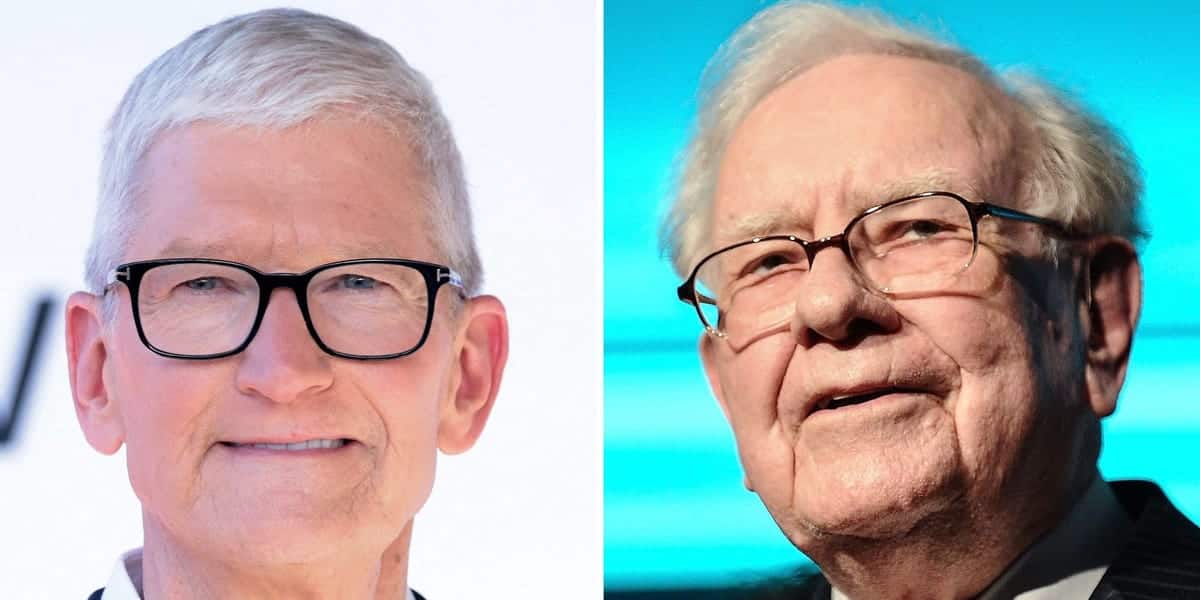
Two prominent business leaders, Tim Cook and Warren Buffett, are transitioning from their CEO roles while maintaining significant influence within their respective companies, Apple and Berkshire Hathaway. Cook, after 15 years as Apple's CEO, has assumed the position of executive chair, retaining a substantial compensation package and a focus on global engagement and policy. Buffett, concluding a six-decade run as Berkshire Hathaway's CEO, continues as chair, actively involved in stock selection and major decision-making, with new CEO Greg Abel frequently consulting him. Analysts like Kevin Carpenter note parallels in their approaches, emphasizing a behind-the-scenes involvement that supports the new leadership. Larry Cunningham, however, cautions about the potential risks of an iconic predecessor becoming a 'shadow CEO,' stressing the importance of 'wisdom without command' to avoid leadership confusion. Cook's new role will involve engaging with policymakers, a task he has previously navigated successfully, including during his tenure as CEO when he was described as a 'Trump whisperer.' Buffett, meanwhile, has been instrumental in building Berkshire's substantial Alphabet stake. The success of these transitions hinges on the former CEOs adding value through their specific skill sets, such as diplomacy and investment strategy, without undermining the authority of their successors.