Key facts
- Venmo's receipt scanner itemizes an uploaded or photographed bill and calculates each person's proportionate tax and tip, per Business Insider.
- The feature is rolling out to Venmo users during the week of November 10, 2026, the report said.
- In the reporter's test, Venmo transcribed the receipt totals accurately, while Tab sometimes misreads a date or check number as the amount paid, per the report.
- Splitwise returned the same totals as Venmo but does not let users send and settle payment requests inside the app, per the report.
- Venmo said a survey of 5,000 US 18- to 22-year-olds found 20% prefer paying exactly what they ordered and 15% would rather divide evenly.
Venmo added receipt scanning to its app, a feature that lets users photograph or upload a bill, itemizes it and calculates how much proportionate tax and tip each person owes before sending payment requests, Business Insider reported on November 10, 2026. The feature is rolling out to Venmo users during the week of the report.
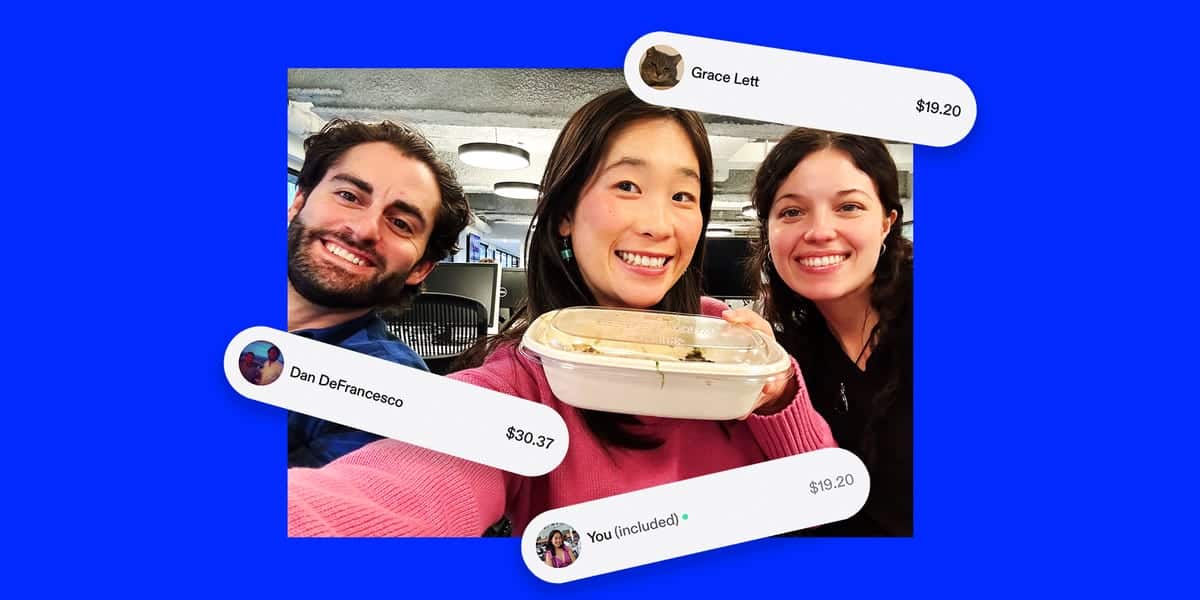
A Business Insider reporter tested the function with two colleagues at a Monday lunch at Blue Park Kitchen, a fast-casual restaurant in downtown New York City, and compared it with two other receipt-scanning apps, Tab and Splitwise. Venmo transcribed the receipt totals accurately, the reporter found. Tab, which the reporter said has sometimes misread a date or check number as the amount paid, did not respond to a request for comment.
Splitwise returned the same totals as Venmo, but Venmo's advantage is that users can send and settle requests without leaving the app, according to the report. Venmo cited its own survey of 5,000 US 18- to 22-year-olds finding that 20% prefer to have everyone pay exactly what they ordered, 15% would rather divide evenly and 12% take turns or have different people cover different costs.
The reporter said the feature may reduce friction over splitting bills but does not guarantee friends respond to requests faster: one colleague repaid immediately, while the other paid only after being asked verbally whether he had seen the request.