Key facts
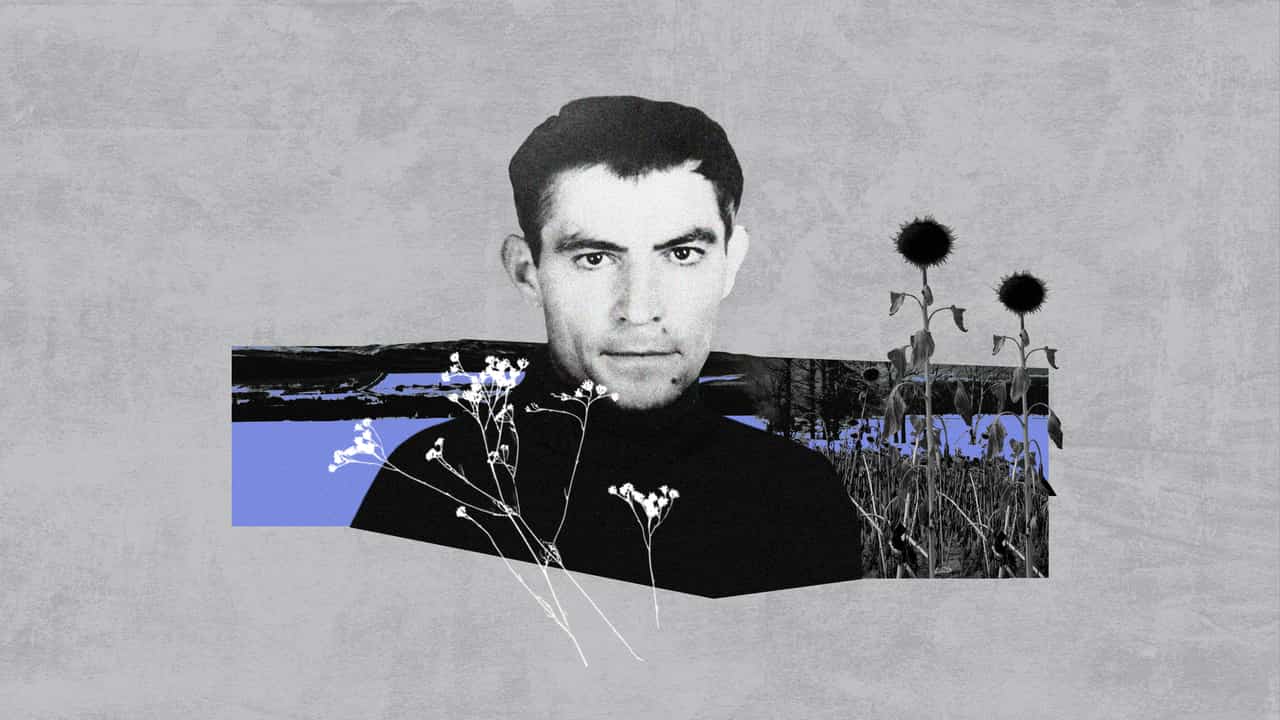
- Poet Vasyl Stus became a symbol of Ukrainian resistance against Soviet oppression.
- Stus was imprisoned for his pro-Ukrainian stance and commitment to democracy.
- He was part of the "Sixtiers," a generation of Ukrainian intellectuals active in the 1960s.
- Stus's poetry explored themes of Ukrainian identity, sovereignty, and the fight against Russian influence.
- He died in a Russian prison camp in 1985.
Vasyl Stus, a prominent Ukrainian poet and dissident, emerged as a moral compass for his nation through his unwavering commitment to democracy and human rights, even at the cost of years spent in prison and exile. His life and work, particularly his poetry, continue to resonate as a powerful symbol of resistance against Soviet and Russian oppression.
Stus was part of the "Sixtiers," a generation of Ukrainian intellectuals active in the 1960s who championed a cultural awakening and pushed back against the dominance of the Russian language and culture in Ukraine. They questioned the Soviet regime's suppression of Ukrainian intellectuals, a stance that led to them becoming targets of Soviet authorities.
One notable protest Stus participated in occurred on September 4, 1965, during the Kyiv premiere of Sergei Parajanov’s film “Shadows of Forgotten Ancestors.” Literary critic Ivan Dziuba used the platform to denounce the arrest of Ukrainian intellectuals, and Stus was among those who stood in support, leading to his expulsion from graduate school.
Stus's poetry often reflected his clear-eyed understanding of the dangers Russia posed to Ukraine's sovereignty and the sacrifices required to defend it. He drew inspiration from 19th-century poet Taras Shevchenko, whom he viewed as a mentor, echoing Shevchenko's calls to "Fight on — you shall prevail!" in his own work. Literary scholar Alessandro Achilli noted that Stus viewed his poetry as a key element in rebuilding Ukraine's national identity, seeing Ukraine itself as "a project, a home that needs to be rebuilt."
His defiance extended to the prison camps, where he repeatedly challenged authorities. Records from KGB archives, now available online at the Stus Center, reveal instances where Stus refused to wear his identification badge or attend morning roll call, acts for which he was punished but which he saw as a way to assert his dignity. Even in the face of death, which he acknowledged as a possibility for himself and his fellow Sixtiers, Stus transformed the certainty of mortality into a rallying cry to fight with all strength while life endures.
Stus ultimately perished in a Russian prison camp in the Perm region in 1985, the same year that marked the rise of "perestroika" in the USSR. His legacy endures through his writings and the ongoing struggle for Ukrainian independence.