Key facts
- Residents in Russian-occupied Oleshky, Kherson Oblast, face an escalating humanitarian crisis.
- Constant Russian drone attacks and artillery shelling prevent essential aid delivery and civilian evacuation.
- Ukraine's human rights ombudsman described the situation as 'hell' and urged for residents to be saved.
- About 2,000 people remain in Oleshky, including approximately 50 children, out of a prewar population of 24,000.
- The last successful food delivery to the city was on May 26.
- Russian drones attacked vehicles carrying food on June 2 and September 1, resulting in casualties and halted deliveries.
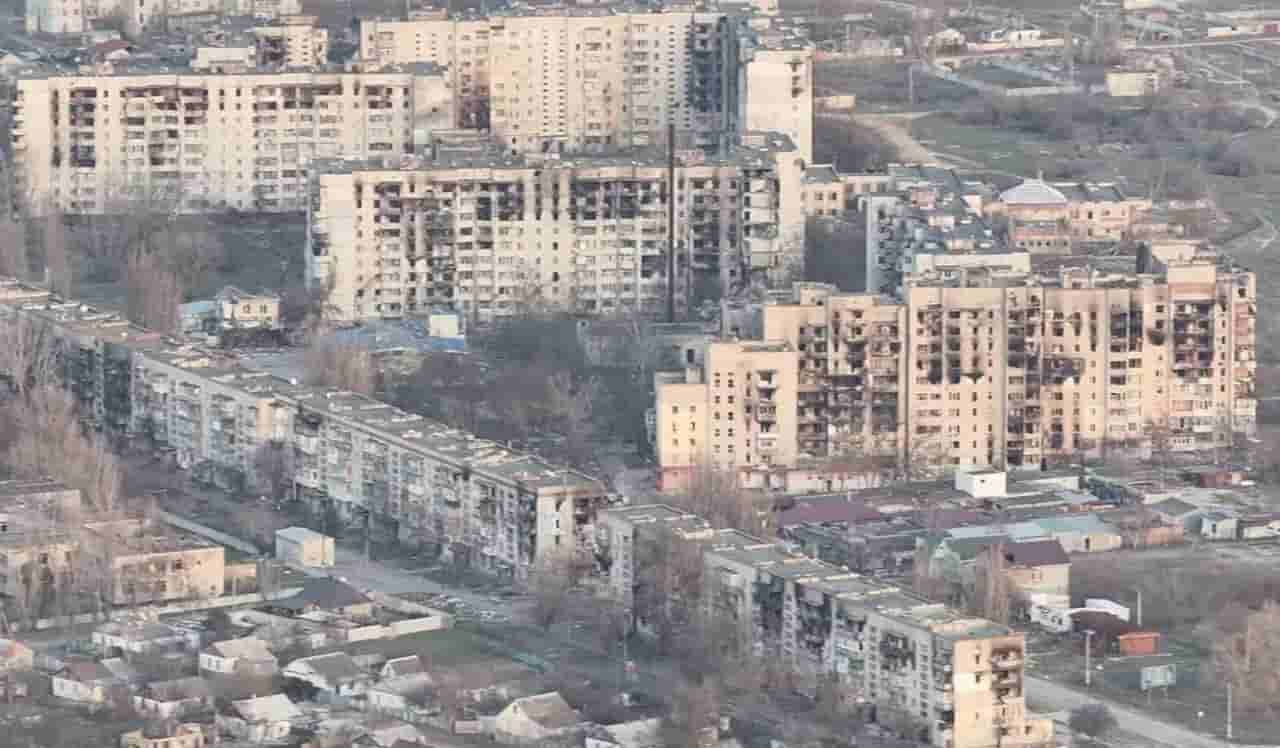
Residents in the Russian-occupied Ukrainian town of Oleshky, located in Kherson Oblast, are facing an increasingly dire humanitarian crisis. Constant Russian drone attacks and artillery shelling have made it virtually impossible to deliver essential supplies like food and medicine, or to evacuate civilians by road. Dmytro Lubinets, Ukraine's human rights ombudsman, described the situation as 'hell' on September 16, emphasizing the urgent need for residents to be saved.
An Oleshky resident, whose identity was withheld for security reasons, told the Kyiv Independent that people are resorting to walking along mined roads to escape the occupied town. Tetiana Hasanenko, the exiled head of the Oleshky City Military Administration, stated that out of Oleshky's prewar population of approximately 24,000, only about 2,000 people remain, including around 50 children. While volunteers were able to evacuate civilians earlier in the year, these efforts are now impossible due to Russia's lack of cooperation, leaving civilians trapped and facing starvation.
Food shortages have been escalating for months, with astronomical prices for basic goods and a complete cessation of bread deliveries. Hasanenko reported that the last successful food delivery to the city was on May 26, and currently, there is no meat, flour, oil, butter, or ready-made bread available. Attempts to deliver supplies have been met with Russian drone attacks, resulting in casualties. The local hospital is also severely impacted, operating without basic medical supplies, electricity, or running water, and unable to provide more than basic first aid.
Evacuations have also become extremely difficult. The last evacuation from Oleshky took place on May 26, and no one has entered the city since. Some residents are now attempting to walk to the neighboring village of Radensk, a journey of five to six hours, risking landmines and drone attacks. Volunteers from the Humanity NGO are assisting with these evacuations, picking up individuals in Radensk. The crisis is not limited to Oleshky itself, with surrounding settlements like Hola Prystan and Radensk also experiencing worsening humanitarian conditions and difficulties in reaching affected populations.