Key facts
- Russian attacks on Ukraine's businesses are escalating, threatening supply chains and economic survival.
- Businesses are projected to lose $10 billion this year due to these attacks.
- A new government compensation fund aims to cover up to $10 million in 'first losses' for businesses.
- The government plans to finance this fund by increasing the VAT rate from 20% to 21%.
- This VAT increase is expected to raise $1 billion annually but may push consumer prices up by 0.6% to 0.8%.
- Many smaller and non-critical companies feel they lack sufficient support compared to larger or critical businesses.
As Russia escalates its attacks on Ukraine's economy, the government faces the immediate challenge of keeping businesses operational amidst ongoing destruction and financial strain. Deputy Economy Minister Yegor Perelygin highlighted that the focus has shifted from attracting investment to ensuring the survival of essential services like pharmacies and retail.
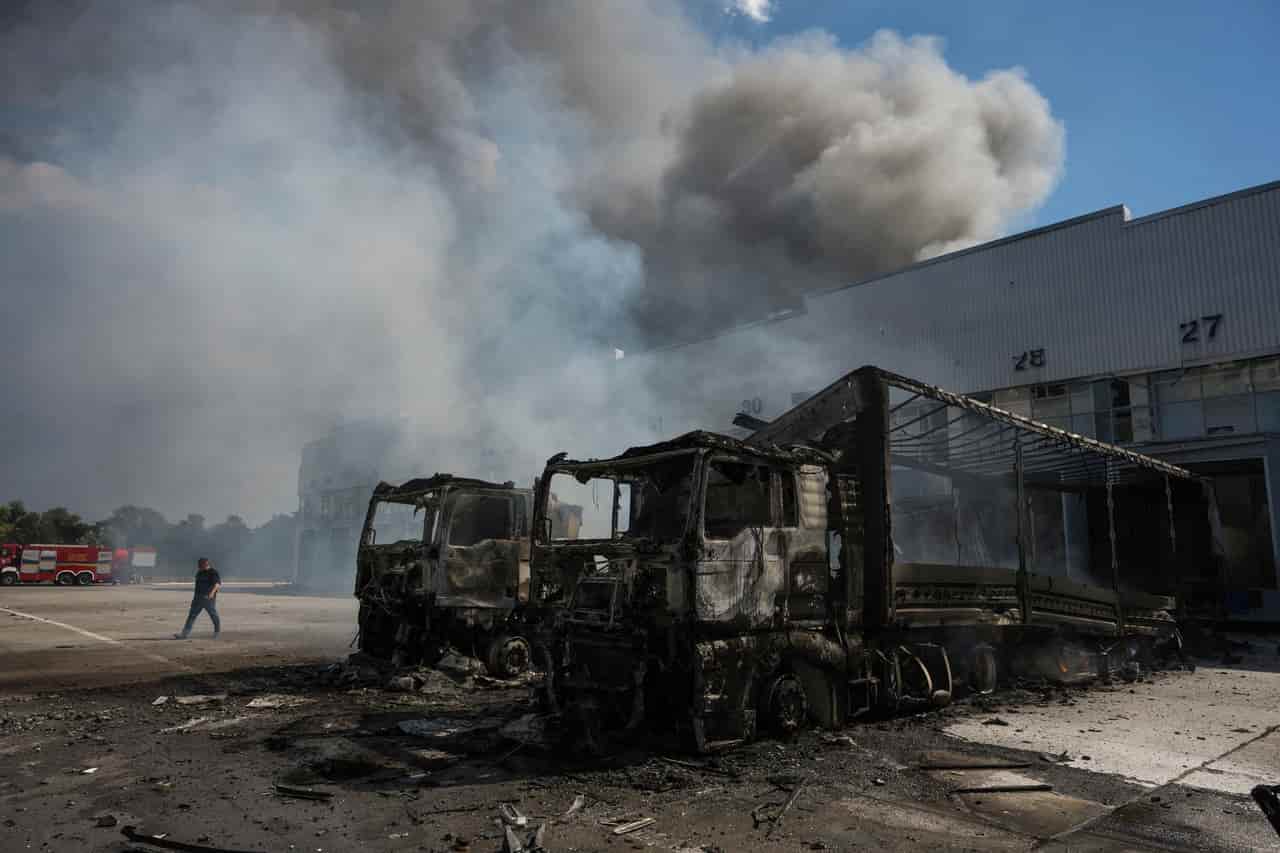
Recent months have been particularly difficult, with businesses, especially around Kyiv, suffering from waves of drone attacks. The Economy Ministry estimates that businesses will lose a total of $10 billion this year. Discussions between government and business leaders have centered on expanding financing and state-backed insurance programs, but companies remain vulnerable due to air defense shortages and prohibitively high war-risk insurance premiums.
To address the insurance gap, the government is developing a compensation fund that will cover up to $10 million in 'first losses,' with remaining amounts handled by insurers. This initiative aims to expedite the return of destroyed assets to operation. Starting in January, businesses in critical sectors like agriculture and energy can join the program by paying 2% of the compensation limit to protect fixed assets. The fund is intended to be financed partly by a VAT increase from 20% to 21%, a move expected to generate $1 billion annually but also potentially raise consumer prices by 0.6% to 0.8%.
While the government seeks international financial support for the fund, some businesses, particularly smaller ones, feel overlooked. The publishing house Osnovy, for example, lost nearly 40% of its inventory in a single attack, with CEO Andriy Vyshnevsky stating that such non-critical businesses lack adequate state support, including access to favorable lending and risk insurance programs. Yuriy Kryvosheya of the Canada Ukraine Chamber of Commerce stressed the urgent need for economic measures, stating that a nation cannot win a war without a functioning economy driven by the private sector.