Key facts
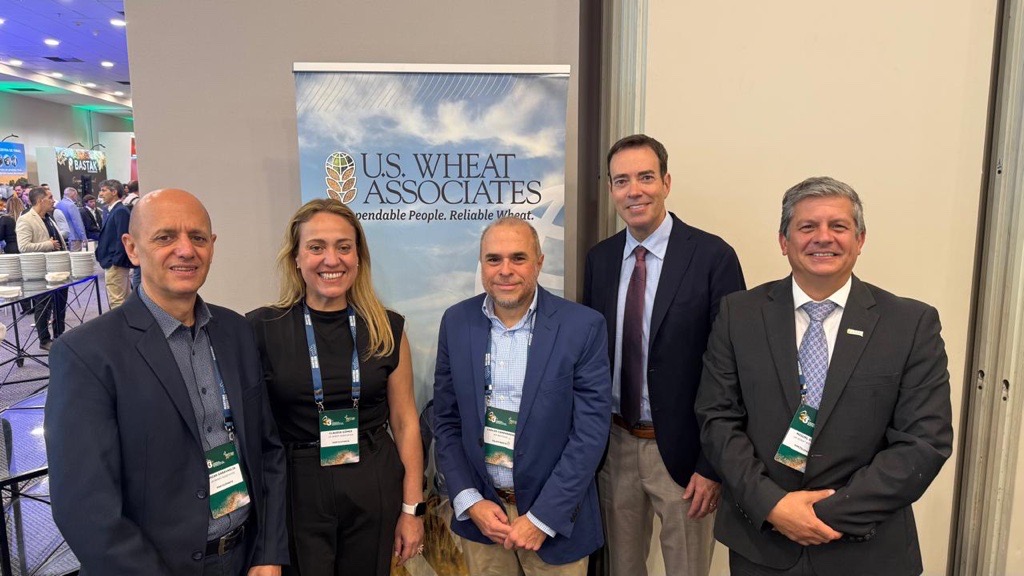
- USW president and CEO Mike Spier attended the Rio de Janeiro congress with regional director Miguel Galdos, marketing manager Claudia Gomez and consultant Oscar Garavaglia.
- USW said Brazil is expected to need substantial high-quality wheat imports to blend with lower-quality domestic and Argentine supplies.
- The USW team promoted hard red winter wheat as a way to steady protein and baking performance in blends.
- USW said flour improvers can cost up to $40 per metric ton, a figure it uses to argue for judging blend value over wheat price.
U.S. Wheat Associates attended the 33rd Abitrigo International Wheat Industry Congress in Rio de Janeiro, according to a USW release dated November 10, 2026. More than 600 flour millers, bakers, government officials and industry suppliers attended the gathering.
USW president and CEO Mike Spier attended with Miguel Galdos, USW regional director for South America, Claudia Gomez, USW regional marketing manager, and Oscar Garavaglia, USW Brazilian consultant. The team met millers and industry leaders to discuss crop quality, market conditions and how U.S. wheat can meet milling and baking needs.
Spier said in the release that the timing of the meetings was favorable because Brazil is expected to need substantial imports of high-quality wheat to blend with lower-quality supplies from its domestic harvest and Argentine wheat. He said the team shared U.S. wheat crop quality data.
Gomez said the aim was not necessarily to replace local or regional wheat but to show how U.S. wheat can complement it and help millers achieve more consistent flour quality. Millers have raised quality concerns about new-crop Brazilian and Argentine wheat, and the release said flour improvers can cost up to $40 per metric ton.
The release said U.S. hard red winter wheat and other U.S. wheat classes can improve blend quality where local or regional supplies vary in protein, milling performance or baking functionality. It said Abitrigo gave the USW team access to South American decision-makers, including the new leadership of ABIP, milling executives, traders and government representatives.