Key facts
- Midwest ammonia prices reached around $875 per short ton, up from about $600 in late June, CRU's Justin Ratcliff said.
- Trinidad and Tobago is the second-largest ammonia supplier to the US after Canada, but its natural gas output has declined.
- Nutrien indefinitely shut down its nitrogen operations in Trinidad in October 2025 because of gas supply problems.
- US ammonia imports from Trinidad fell about 34% in 2025, The Fertilizer Institute's Veronica Nigh said.
- Farm groups in Iowa, Ohio and Texas said fertilizer costs were eroding Trump's $8 billion diesel support program.
Midwest ammonia prices climbed to around $875 per short ton, up from about $600 in late June, as falling exports from Trinidad and Tobago tightened an already constrained global fertilizer market, according to a Reuters report published on November 2.
Ammonia is used to make nitrogen fertilizer, a key input for corn and other crops. Trinidad and Tobago is the second-largest supplier of ammonia to the US after Canada, but its natural gas production has declined because of aging fields and limited new discoveries, the report said. Until early 2025, when the US arrested former Venezuelan President Nicolas Maduro, sanctions prevented the island from buying gas from neighboring Venezuela.
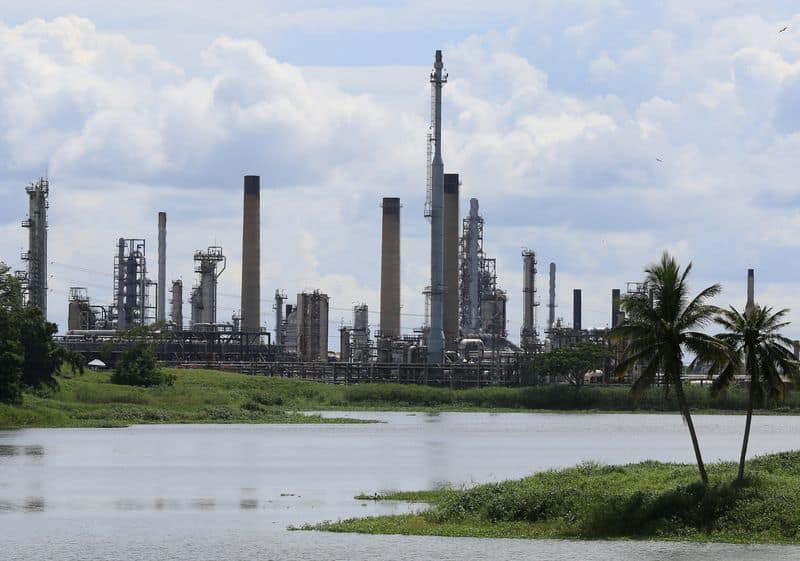
Analysts expect Trinidad's constraints to worsen after Nutrien, a major fertilizer producer, indefinitely shut down its nitrogen operations in Trinidad in October 2025 because of continuing gas supply problems. Ammonia imports from Trinidad into the US have dropped about 34% in 2025, said Veronica Nigh, chief economist at The Fertilizer Institute, an industry group. "Normally we would expect to see that backfilled with tons from other locations, which is what we saw last year," Nigh said. "We just haven't seen that this year."
Much of the US supply of anhydrous ammonia arrives from Trinidad into the Gulf of Mexico and moves by barge up the river system to farmers, said Josh Linville, vice president of fertilizers at consultancy StoneX. Over the past decade the US has become less dependent on Trinidadian ammonia as local production expanded, but operational issues at some newer plants have limited the industry's ability to make up for lost imports, Ratcliff said.
President Donald Trump announced an $8 billion financial support program in October 2025 to offset diesel costs for farmers. Farm groups in Iowa, Ohio and Texas warned him in a letter that rising fertilizer costs were eroding those efforts as ammonia demand peaks during the autumn application season, the report said.