Key facts
- The column said the 550,000 barrel per day Ras Tanura refinery is a cornerstone of Saudi crude oil exports.
- The column said the latest strike pushed oil prices up by around 1%.
- The column said the refinery was hit by Houthis in March and in March 2021.
- The column said IRGC commanders in Tehran ordered the attacks, citing senior security sources in Washington, London and Berlin.
- The column said the September 8 attacks on four Saudi cities halted operations at several energy facilities and pushed Brent toward $100 a barrel.
- The column said the 2019 Abqaiq and Khurais attacks represented about 5% of global oil supply and lifted prices up to 20%.
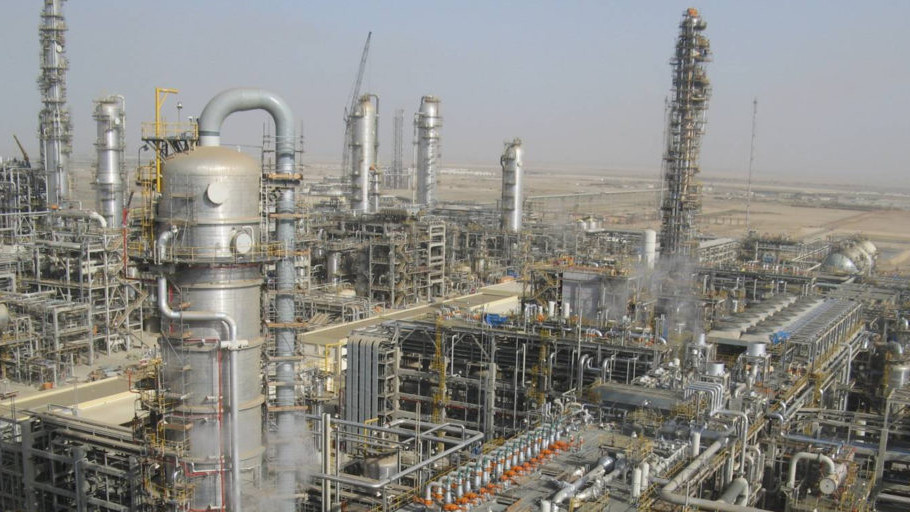
An attack on Saudi Arabia's Ras Tanura refinery, described in an OilPrice.com column as carried out by the Iran-backed Houthis, pushed oil prices up by around 1%, the column said, without giving the date of the strike beyond saying it occurred the previous week. The column described the 550,000 barrel per day refinery as a vital cornerstone for Saudi crude oil exports.
The column said the same facility was hit by the Houthis in March, when debris from intercepted drones caused a fire at the site, and in March 2021 in a drone and missile attack. It said that in all cases senior Islamic Revolutionary Guard Corps commanders in Tehran ordered the attacks, according to senior security sources in Washington, London and Berlin that it said it had spoken to.
The column also cited a September 8 drone and ballistic missile attack on four cities in southwestern Saudi Arabia, Abha, Khamis Mushait, Jazan and Najran, targeting energy installations and economic infrastructure belonging to Aramco. It said the fires forced the Saudi Energy Ministry to temporarily halt operations at several key energy facilities and sent Brent crude back up toward $100 a barrel.
The column said the 2019 attacks on Aramco's Abqaiq and Khurais facilities, which at the time represented around 50% of Saudi oil production, or about 5% of global oil supply, caused an immediate rise of up to 20% in global oil prices. It argued that US-supplied defense systems, including THAAD interceptors, Patriot defenses and early-warning radars, had failed to protect Gulf allies, and that this undermines the security guarantees behind the Abraham Accords.
The column said the attacks came just before the November 3 US midterm elections and argued that Iran, and through it China, holds influence over oil price direction and key shipping routes including the Strait of Hormuz, the Bab al-Mandab Strait and the Red Sea route to the Suez Canal. It also described the Makkah Defence Alliance, formed on August 7, 2026 and comprising Saudi Arabia, Turkey and Pakistan, as having proved ineffective.