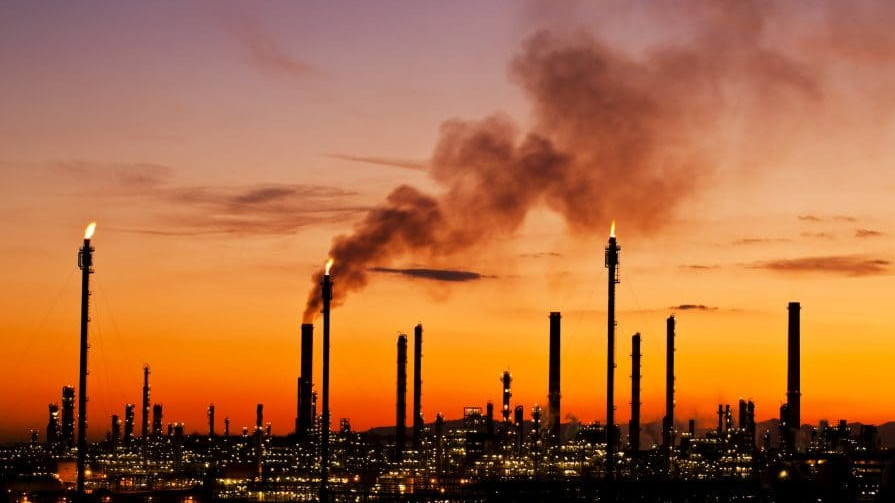
Key facts
- Refineries are increasingly targeted in geopolitical conflicts, worsening a global fuel shortage.
- Attacks on Russian refineries have reduced capacity by over 4.5 million barrels daily.
- The Yemeni Houthis claimed responsibility for an attack on Saudi Arabia's Ras Tanura refinery.
- Russia has banned diesel exports and curbed gasoline exports due to refinery damage.
- The IEA warns that crude oil, natural gas, and refined product prices will remain elevated.
Global fuel supplies are under pressure as oil refineries, crucial for converting crude oil into usable fuels, are increasingly becoming targets in geopolitical conflicts. Attacks in Russia and the Middle East have significantly reduced refining capacity, leading to higher prices for gasoline, diesel, and natural gas. The International Energy Agency predicts these elevated prices will persist into next year. While producing countries can find workarounds for crude oil logistics, the physical presence of refineries is essential for refined products. The Yemeni Houthis have claimed responsibility for an attack on Saudi Arabia's Ras Tanura refinery, and Ukrainian forces have conducted numerous drone strikes on Russian refineries, impacting a substantial portion of Russia's refining capacity. This has led Russia to restrict fuel exports, further exacerbating the global shortage. Despite efforts to repair refineries, the threat of further attacks remains, contributing to a tense fuel supply situation worldwide.