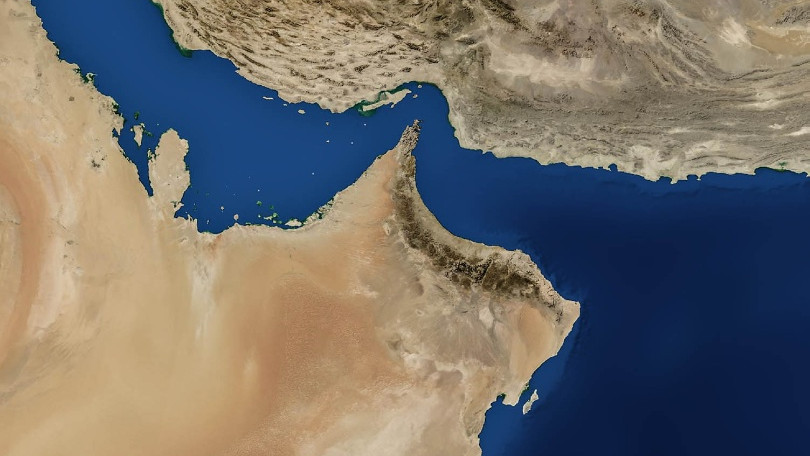
Key facts
- Middle East oil exports in October are higher than pre-strike levels in February.
- Tanker attacks in the Strait of Hormuz may be as high as 40-50 vessels.
- Crude crossing the Strait of Hormuz fell 27% in early October.
- Persian Gulf oil flow dropped to 8.5 million barrels daily recently.
- Freight rates have reached record highs due to ship-to-ship transfers.
Despite reports of recovering oil flows in the Persian Gulf and Red Sea, oil prices have continued to rise. This suggests that increased export numbers alone are not enough to restore market confidence, especially given the ongoing risks in the region. Iran's intensification of strikes on tankers in the Strait of Hormuz has led to a significant drop in traffic and record-high freight rates, complicating supply routes. While some data indicates higher overall Middle East exports, the increased effort, expenditure, and risk involved, coupled with limited tanker capacity and the potential for further disruptions, are contributing to elevated prices.