Key facts
- LNG tanker traffic through the Strait of Hormuz reached 31 in October, up from 27 in September, per Kpler.
- Most October cargoes loaded from Qatar's Ras Laffan hub, which remains under force majeure, Kpler said.
- Qatar's LNG exports were close to 6.2 million tons in February and 2.7 million tons in October, Kpler said.
- UAE loadings from Das Island hit seven in October, unchanged from September, the data showed.
- QatarEnergy said in March that attacks took out 17% of Qatar's export capacity and cost an estimated $20 billion in annual revenue.
- Qatar agreed to buy up to 4 million tons per year of U.S. LNG from Cheniere Energy, with deliveries expected from 2031.
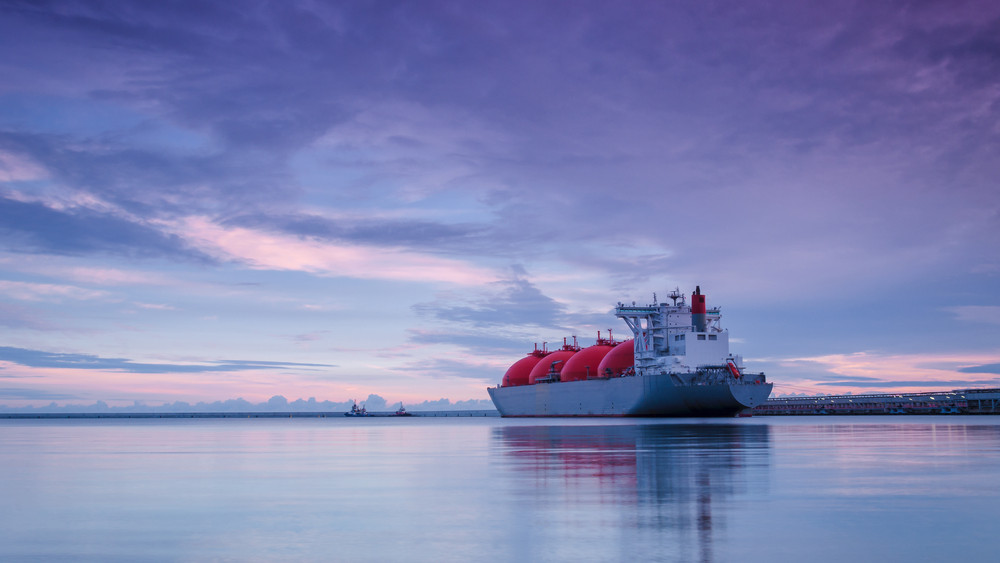
Liquefied natural gas tanker traffic through the Strait of Hormuz reached 31 in October, the highest monthly total since February, according to data from Kpler cited by Reuters. That compared with 27 tankers in September.
Most of the October cargoes were loaded from Qatar's Ras Laffan hub even though the facility remains under force majeure, a contractual clause that lets a supplier suspend deliveries. In two cases, Kpler said, LNG cargoes loaded at Ras Laffan were transferred to other tankers after the original vessels had cleared the Strait of Hormuz.
Qatar's exports remain well below pre-war levels. Kpler put Qatar's total LNG exports at close to 6.2 million tons in February and 2.7 million tons in October. The UAE, by contrast, has restored LNG exports to pre-war levels, with seven loadings from Das Island in October, unchanged from September, the data showed.
QatarEnergy said in March that Iranian attacks on U.S. allies in the Gulf took out 17% of Qatar's export capacity and caused an estimated $20 billion in annual revenue loss. The company has since been seeking ways to service its contracts despite the force majeure.
Qatar also became the largest buyer of U.S. liquefied gas after sealing two long-term deals with Cheniere Energy to buy up to 4 million tons per year from Cheniere's Sabine Pass and Corpus Christi export facilities, with deliveries expected to begin in 2031 and continue through 2054.
Rystad Energy warned earlier in the week that this winter in the Northern Hemisphere will be extremely uncertain for energy security, with a high likelihood of much higher gas prices because of tight supply.