Key facts
- Brent crude futures fell 24 cents, or 0.23%, to $92.33 a barrel by 0102 GMT on Tuesday.
- US West Texas Intermediate futures fell 35 cents, or 0.40%, to $86.50 a barrel.
- Brent settled down 5.85% in the previous session after sliding to its lowest since August 31.
- Trump said US military action against Iran is not necessary "at this point" and he plans to hold off on new strikes.
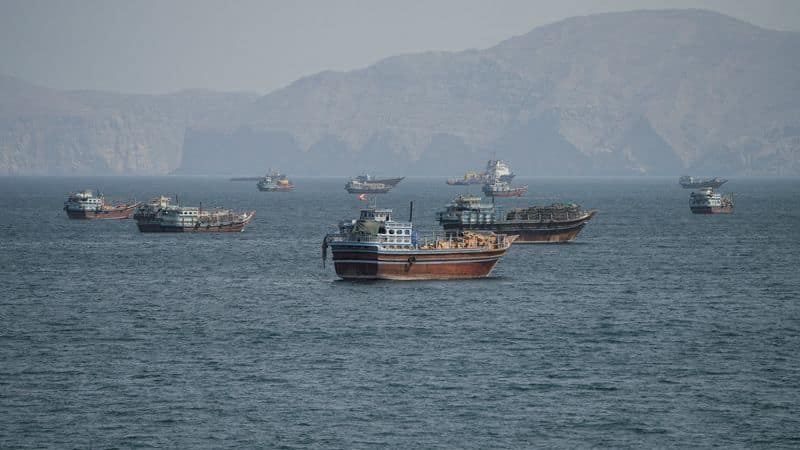
- Trump said he plans to keep up a naval blockade in the Strait of Hormuz for now.
- OPEC oil output rose in October, a Reuters survey found, led by gains in Saudi Arabia, Kuwait and Iraq.
Brent crude futures fell 24 cents, or 0.23%, to $92.33 a barrel by 0102 GMT on Tuesday, while US West Texas Intermediate futures fell 35 cents, or 0.40%, to $86.50 a barrel, according to Reuters. The move extended losses from the previous session, when Brent settled down 5.85% after sliding to its lowest since August 31.
The decline followed comments by US President Donald Trump, who said on Monday that US military action against Iran is not necessary "at this point" and that he plans to hold off on new military strikes for the time being after appeals from countries in the region, including Qatar's prime minister in White House talks. Trump, in a Reuters interview and a later appearance in the White House press briefing room, said he plans to keep up a naval blockade in the Strait of Hormuz for now.
Tim Waterer, chief market analyst at KCM Trade, said the market continues to prioritise Trump's more conciliatory tone toward Iran since the midterms. He said attacks on shipping around the Strait of Hormuz are still occurring but have not escalated in a way that has forced a fresh risk premium into the market.
Senior US and Gulf officials have cast doubt on the chances of any imminent peace deal between Washington and Tehran. Iranian security council chief Mohsen Rezaei said the US should "stop manufacturing fake news about imaginary talks" and that it was "time to surrender to the seven conditions Iran has repeatedly set out."
On the supply side, OPEC oil output rose in October, a Reuters survey found, led by gains in Saudi Arabia, Kuwait and Iraq despite continued constraints on exports. Separately, Russian and Ukrainian officials planned to meet on Tuesday for two days of US-brokered talks, their first since February, after Trump suggested last week that a broad peace deal was possible in their 4-1/2-year-old war and could incorporate Europe's security.