Key facts
- Brent January futures rose $1.57, or 1.6%, to $99.86 a barrel as of 0222 GMT on Friday.
- WTI futures climbed $1.10, or 1.22%, to $91.62 a barrel, with both contracts up for a second day.
- Brent was on track to drop 12% for the week after the December contract expired on October 30; WTI was set to drop 12.1%.
- Oil fell 8% on Wednesday alone after Democrats swept the midterm elections, settling at two-month lows.
- Iran said on Thursday that three more tankers had been attacked in the Strait of Hormuz.
- ANZ's Daniel Hynes said flows through the Strait of Hormuz are under 60% of capacity.
Brent crude futures for January rose $1.57, or 1.6%, to $99.86 a barrel as of 0222 GMT on Friday, and US West Texas Intermediate futures climbed $1.10, or 1.22%, to $91.62 a barrel, Reuters reported. Both contracts gained for a second day.
The Brent contract was still on track to drop 12% for the week after the December contract expired on October 30, and WTI was set to drop 12.1%. The contracts fell earlier in the week on expectations that US Congressional elections on Tuesday, which swung the Senate and House of Representatives to the Democratic Party from Trump's Republicans, could lead to a de-escalation of the US-Israeli war against Iran, now in its ninth month.
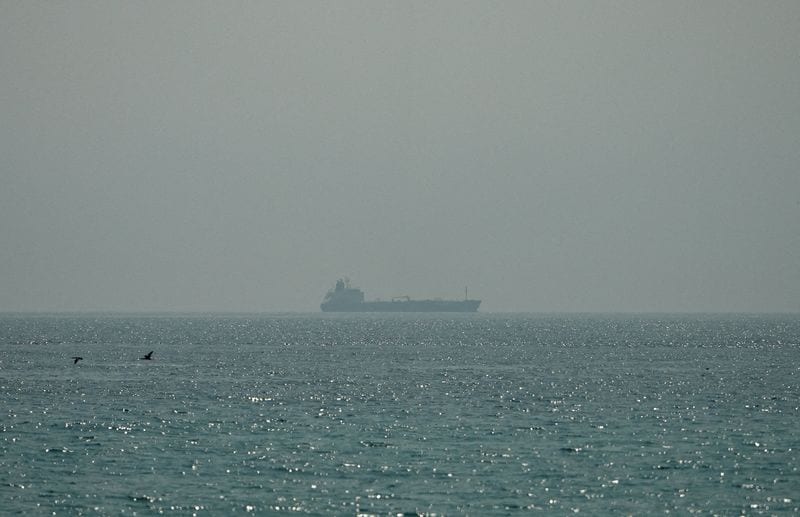
Oil prices fell 8% on Wednesday alone after the Democrats swept the midterm elections, settling at two-month lows. Prices then rebounded on an increase in tanker attacks on Wednesday and Thursday in the Gulf and the Strait of Hormuz, the sea outlet for a majority of Middle Eastern oil shipments, which renewed concerns about supply flows from the region.
"Crude oil rebounded as traders viewed Wednesday's selloff as overdone," Daniel Hynes, senior commodity strategist at ANZ, said in a note on Friday. He said prices had been under pressure following the Democrat wins, but "the reality of the situation hit home" during Thursday's trading. "Iran maintains control of the Strait of Hormuz and is unlikely to relinquish that control," he said, adding that overall flows through the Strait of Hormuz are under 60% of capacity.
Iran said on Thursday that three more tankers had been attacked in the Strait of Hormuz, and data from UK maritime security agency UKMTO suggested that attacks on tankers are still running at close to record pace.