Key facts
- Hokkaido salmon catches totaled just under 6,000 tons as of late October 2026, 3% of the 2003 peak.
- Tetsuya Shinya of the Abashiri Fisheries Cooperative said fishermen worry whether they can continue salmon fishing.
- Yasuyuki Miyakoshi of the Kitami Salmon Enhancement Program Association said salmon are maturing younger and getting smaller.
- Osamu Ishizuka of the same association said the reproduction cycle must be preserved especially in difficult times.
- Hokuyo Kyodo Gyogyobu's salmon sell at prices 30% to 40% higher than usual after gutting and washing immediately after landing, according to the report.
- The Abashiri cooperative will consider reducing the number of fishing boats and nets in anticipation of a further decline.
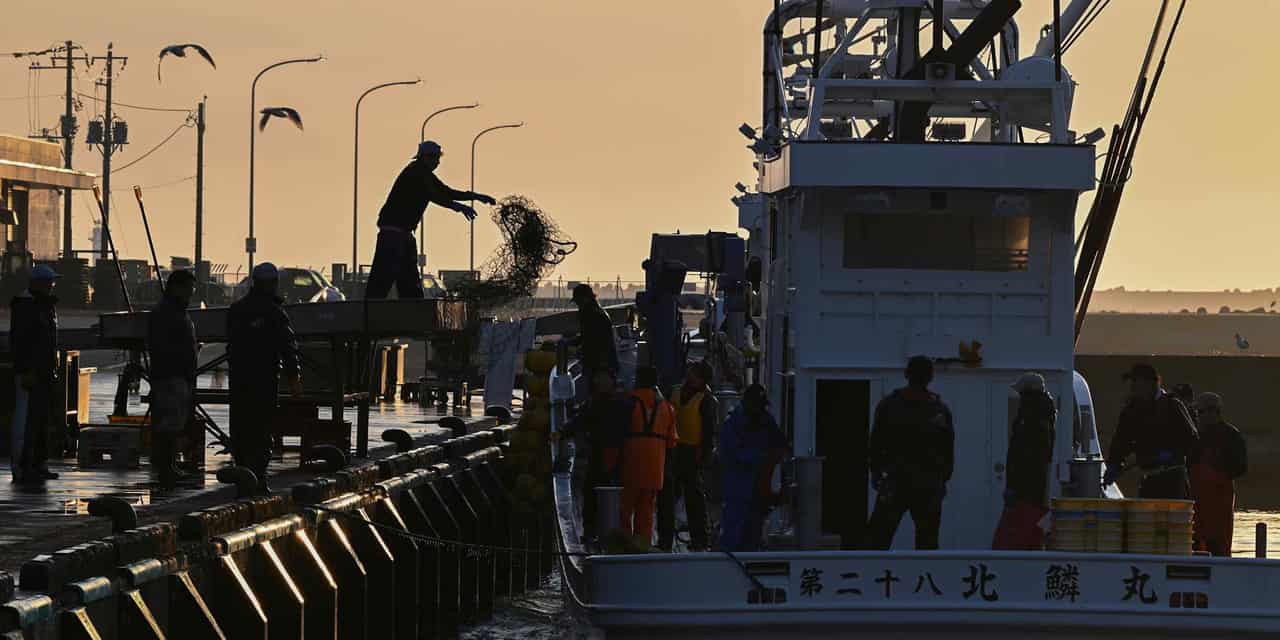
Salmon catches in Hokkaido this autumn totaled just under 6,000 tons as of late October, only 3% of the 2003 peak, according to a report published November 6, 2026 by The Japan News. Fishermen are not only worried about poor catches this year, they are also agonizing over whether they can continue salmon fishing, said Tetsuya Shinya, head of the Abashiri Fisheries Cooperative.
The decline has been accompanied by changes in the fish themselves. Yasuyuki Miyakoshi, a counselor at the Kitami Salmon Enhancement Program Association, who examines each adult salmon at the organization's hatchery, said salmon are not only decreasing in number, but also maturing at a younger age and getting smaller in size. Climate change has possibly created unfavorable environments for the survival of juveniles by making the food scarce in the seas, he added.
Funding shortages are adding to the difficulty. Hatching and release is financed by contributions from fishermen's earnings from their catch, so drops in catches can weaken the work of raising the next generation of salmon. "The cycle of reproduction must be preserved especially in difficult times," said Osamu Ishizuka, an executive director at the association. "We will do everything we can by mobilizing all of our knowledge."
Onshore efforts are under way. The fisheries cooperative in Abashiri has adopted a mechanism for the joint ownership of fishing boats by fishermen in order to streamline the cost of maintaining them and the fishing structure, and in anticipation of a further decline in the salmon catch the cooperative will consider reducing the number of fishing boats and nets. Hokuyo Kyodo Gyogyobu, a salmon fishing company in the town of Shari, has attempted to find ways to sell salmon at higher prices, for example by gutting and washing salmon immediately after landing to improve taste and preserve freshness longer. Thanks to this practice, which has been praised by restaurants, the company's salmon sell at prices 30% to 40% higher than usual, according to the report.
Hokuyo Kyodo also deep-fries blowfish incidentally caught in set nets and prepares them as an ingredient for hot pots, while also making seaweed gelato. The company is eying other ventures such as brewing sake under the sea and operating an inn featuring fisherman's dishes. "We are facing a terrifyingly poor catch of salmon," said Masayoshi Itou, a director at Hokuyo Kyodo. "I occasionally feel bummed out, fearing that salmon will no longer return. We want to preserve fishing. We want this town to remain a place where people of the next generations can work in the beautiful sea, fall in love with someone and live together with their families."