Key facts
- Traders said a 12-kg LPG cylinder rose 56% to 7,000 Pakistani rupees, about 583 rupees per kg, after the crossings closed.
- The Pakistan LPG Association said Pakistan imported about 7,000 metric tons of LPG a day from Iran before the closures.
- Majeed Ghauri of the Awami Rickshaw Union said about 70% of members' 43,000 auto-rickshaws and nearly 8,000 Qingqis run on LPG.
- Driver Rashid Ali said his daily earnings fell from $6.50 to about $3, and his family now eats twice a day.
- Pakistan's central bank raised interest rates to 12% last week, citing energy and wheat prices, as October inflation hit 9.6%.
- Petrol reached a record 458 rupees a litre on April 3 and remains about 40% above its pre-war price.
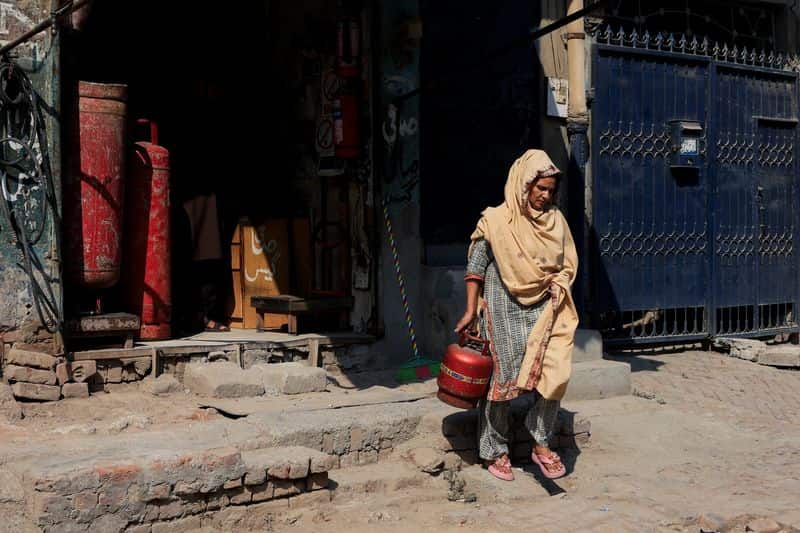
Liquefied petroleum gas prices in Pakistan rose 56% within days of October 17, when two Iranian border crossings closed and halted imports, traders said. A 12-kg cylinder cost 7,000 Pakistani rupees, or about 583 rupees per kg in the open market, they said. Before the closures, the Pakistan LPG Association said Pakistan imported about 7,000 metric tons of LPG a day from Iran.
The two sides gave different reasons for the closure. The government of Balochistan, the southern province that borders Iran, cited security and smuggling. Iran's foreign ministry blamed technical issues, and Iran's ambassador later said Iran had imposed no restrictions, including on LPG exports, and blamed changes in Pakistan's import paperwork.
In Lahore, rickshaw driver Rashid Ali said he had long made $6.50 a day and now was lucky to make $3, with his family eating only twice a day. He pays 600 rupees a day to rent his rickshaw and fills up four or five times a day at 300 to 400 rupees a time, on top of 11,000 rupees a month for his home and two young children to support. Majeed Ghauri, chairman of the Awami Rickshaw Union, said about 70% of its members' 43,000 auto-rickshaws and nearly 8,000 Qingqis run on LPG.
Passengers have resisted higher fares. Mohammad Ramzan said that when a driver asked 500 rupees for a ride, he offered half and walked away when the driver declined.
Inflation in Pakistan hit 9.6% in October, and the central bank last week raised interest rates to 12%, citing energy and wheat prices. Petrol hit a record 458 rupees a litre on April 3 and remains about 40% above its pre-war price.