Key facts
- Utility bills in Russia rose more than 13% in 2025 and more than 50% since 2022, Reuters reported.
- Moscow teacher Polina Ibragimova's bill reached 12,000 roubles ($150), about a quarter higher since the summer.
- The central bank held its key rate at 14% on October 23, with Governor Elvira Nabiullina warning of higher inflation expectations.
- Parliament speaker Vyacheslav Volodin said some regional increases were excessive and urged prosecutors and the anti-monopoly watchdog to intervene.
- Communist Party leader Gennady Zyuganov told President Vladimir Putin his own Moscow utility bill exceeded 30,000 roubles.
Utility bills in Russia rose more than 13% in 2025 and more than 50% since the start of the war in Ukraine in 2022, Reuters reported on November 3, adding to inflation that authorities regard as the economy's biggest problem.
The 2025 increase was delayed until October 1, after September's parliamentary elections, a step Reuters said helped shield the vote from public anger over higher household costs. Regional authorities subsequently approved some of the steepest increases in years to help utility companies catch up with inflation.
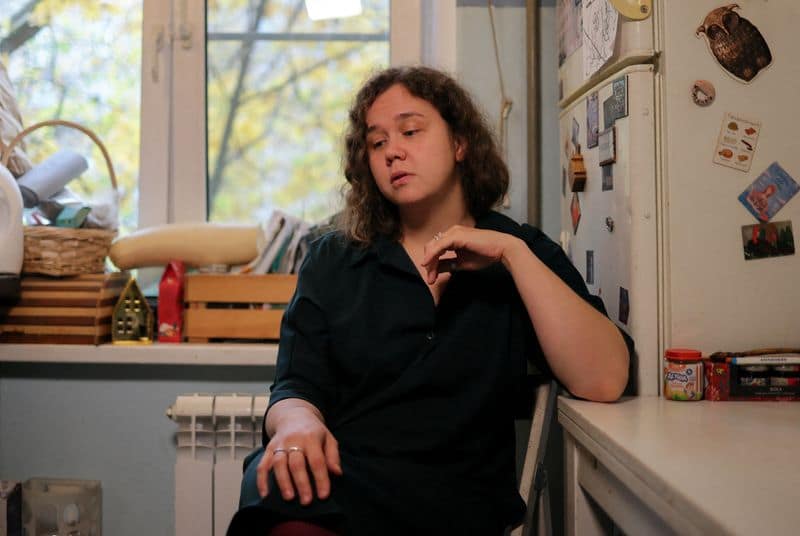
In Moscow, history teacher Polina Ibragimova said her bill climbed by about a quarter since the summer to 12,000 roubles ($150), more than half her monthly pay and more than her salary advance. She said she is considering taking on an additional private student to cover the cost.
The Bank of Russia kept its key rate unchanged at 14% on October 23. Governor Elvira Nabiullina warned that the tariff increase would push up household inflation expectations, already at a two-year high and a key indicator in rate decisions. Economist Dmitry Polevoy said hitting the central bank's 4% inflation target becomes harder with such tariff inputs and requires a more stringent monetary stance.
The increases have drawn criticism from politicians usually supportive of the Kremlin. Communist Party leader Gennady Zyuganov complained to President Vladimir Putin about the hike after the election, saying his own bill for a Soviet-era Moscow apartment exceeded 30,000 roubles, more than the average Russian pension. Parliament speaker Vyacheslav Volodin said some regional increases were excessive and called on prosecutors and the anti-monopoly watchdog to intervene against what he called people with no restraint and no conscience.
Anastasia Zapoteeva, manager of a Moscow bar, said the utility fee hikes are particularly painful for businesses that have recently opened because they come alongside other increases. Reuters said Russian utility costs remain lower than in much of Europe because of abundant cheap natural gas, though average wages are also far lower.