Key facts
- Brazil's fossil fuel roadmap sets phases to 2028, 2030 and 2031-2033, with no binding deadlines or milestones.
- The roadmap failed to secure consensus at COP30 after opposition from major oil-producing countries, despite European support.
- Brazil's deforestation roadmap was kept out of the final COP30 agreement over disagreements on financing forest protection.
- The Tropical Forests Forever Facility had secured $7.6 billion against a $10 billion target, Correa do Lago said.
- Global renewable energy capacity reached a record 5,149 gigawatts at the end of 2025, up 692 GW, per IRENA.
- COP31 is due to get underway in Antalya, Turkey, on November 9.
Brazil is ending its year-long presidency of the UN climate process with roadmaps aimed at curbing deforestation and accelerating a shift away from fossil fuels, COP30 President Andre Correa do Lago said in an interview with Reuters published on November 3.
Correa do Lago, who led last November's UN climate summit in Belem, said governments must integrate climate goals into policymaking. "We don't need more negotiations. What we need is for governments to start taking action," he told Reuters, adding that finance, infrastructure and transportation ministers needed to be at the table.
The fossil fuel roadmap sets out three phases. Countries would spend the period to 2028 assessing their energy systems, strengthening regulations and institutions, and developing national transition plans ahead of the second Global Stocktake, an evaluation of whether the world is on track to contain global warming. By 2030, infrastructure upgrades and renewable energy investments should be underway. A final phase between 2031 and 2033 would focus on accelerating renewable energy deployment, replacing fossil fuels and consolidating cleaner energy systems.
The plan failed to secure consensus at COP30 after opposition from major oil-producing countries, despite European support. Global renewable energy capacity reached a record 5,149 gigawatts at the end of 2025, up 692 GW from the previous year, according to the International Renewable Energy Agency. Brazil's roadmap notes that most recent growth in renewable energy has gone toward meeting new demand rather than replacing fossil fuel use.
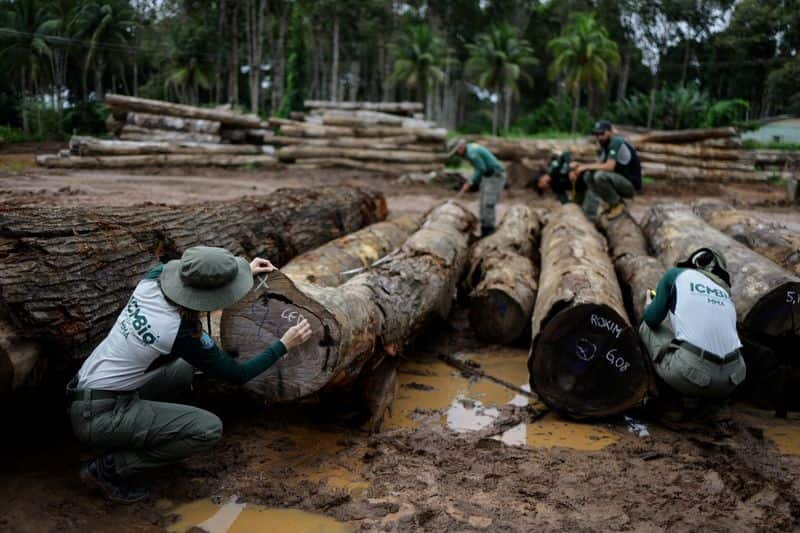
A lack of consensus also kept Brazil's proposed deforestation roadmap out of the final COP30 agreement, reflecting persistent disagreements over how to finance forest protection. According to the United Nations Environment Programme, annual funding for forests must rise from $84.5 billion in 2023 to more than $300 billion by 2030. National governments account for 88.3% of forest finance, with international public funding at only 3.4%.
Brazil has proposed a Tropical Forests Forever Facility that would use returns from a sovereign fund to provide ongoing payments to countries that preserve their forests. The initiative had secured $7.6 billion by the end of COP30 against a $10 billion target, according to Correa do Lago. The roadmap also calls for strengthening carbon markets, improving direct access to finance for Indigenous peoples and local communities, and using debt-relief instruments.