Key facts
- Senators Shaheen and Wicker urged the Trump administration to enforce new Russia sanctions ahead of the Oct. 18 deadline.
- They called for tougher action against Russia's oil revenues and sanctions-evasion networks.
- The senators want the U.S. to match allied designations of shadow-fleet vessels.
- They urged secondary sanctions on third-country suppliers of components for Russian ammunition and drones.
- Sanctions were also requested against companies supporting Russia's Rassvet satellite network.
- The Treasury Department was urged to clarify that financing Russian state-linked businesses violates investment restrictions.
U.S. Senators Jeanne Shaheen and Roger Wicker are pressing the Trump administration to implement the Sanctioning Russia and Iran Act as soon as possible, rather than waiting for the October 18 deadline. The senators argued in a letter that Russia's intensified missile strikes on Ukraine's civilian population and energy infrastructure, coupled with new North Korean troop deployments, necessitate immediate economic pressure.
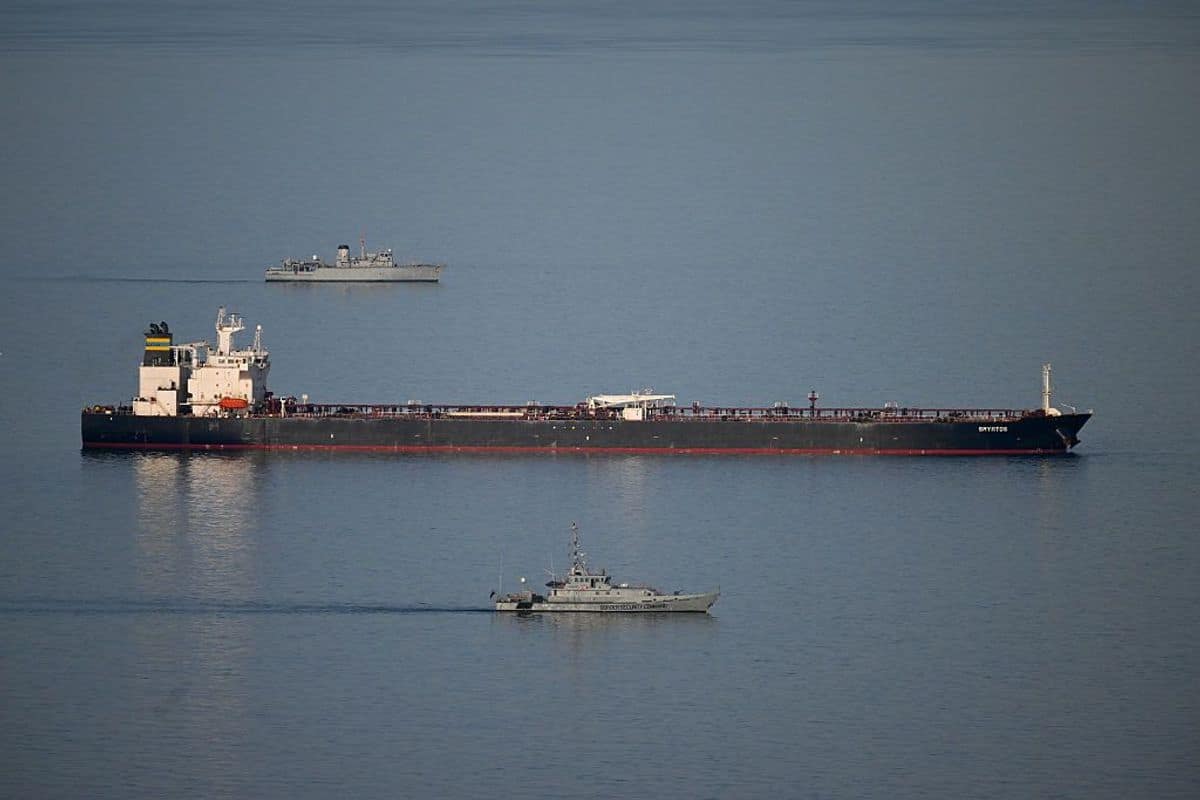
Shaheen and Wicker called for more robust actions against Russia's oil revenues and its networks for evading sanctions. They specifically urged the administration to match the European Union and the U.K. in designating shadow-fleet vessels, noting that the EU and U.K. have designated over 600 vessels compared to the U.S.'s 216. This gap, they warned, allows hundreds of tankers to continue transporting oil and supporting Russia's war effort while circumventing U.S. restrictions. The senators emphasized that U.S. sanctions carry greater impact by cutting off vessels from the global dollar system and Western maritime services.
The senators acknowledged the administration's 2025 sanctions against Lukoil and Rosneft, which they stated significantly impacted Moscow's revenues. However, they noted that Russia has since found ways to bypass these sanctions by routing transactions through intermediaries in the UAE and Hong Kong, and urged the administration to target these networks. They also advocated for secondary sanctions on third-country suppliers in China, the UAE, and Türkiye that provide advanced machine tools, microelectronics, and other dual-use components essential for Russian ammunition production and drones.
Furthermore, the letter requested sanctions against companies supporting Russia's Rassvet low-Earth-orbit satellite network, including Bureau 1440, 5C Group, and Eltex, warning that a fully deployed constellation could enhance Russian battlefield communications and targeting capabilities. Shaheen and Wicker also highlighted reports of a potential multi-billion-dollar deal involving Lukoil's international assets, urging the Treasury Department to clarify that financing Russian state-linked businesses would violate the law's investment restrictions. President Trump signed the Sanctioning Russia and Iran Act into law on September 18, with most provisions taking effect on October 18.