Key facts
- 69% of Russian soldiers on the Zaporizhzhia front line have criminal records, according to Ukrainian military spokesperson Anastasiia Shevchenko.
Sixty-nine percent of Russian soldiers fighting near Zaporizhzhia have criminal records, according to Ukrainian military spokesperson Anastasiia Shevchenko. This figure reflects recruitment practices that include offering contracts to avoid prison and appealing to individuals from disadvantaged regions seeking financial stability. Ukraine's military analysis indicates 31% of Russian forces signed up to avoid criminal charges and 24% sought financial improvement.
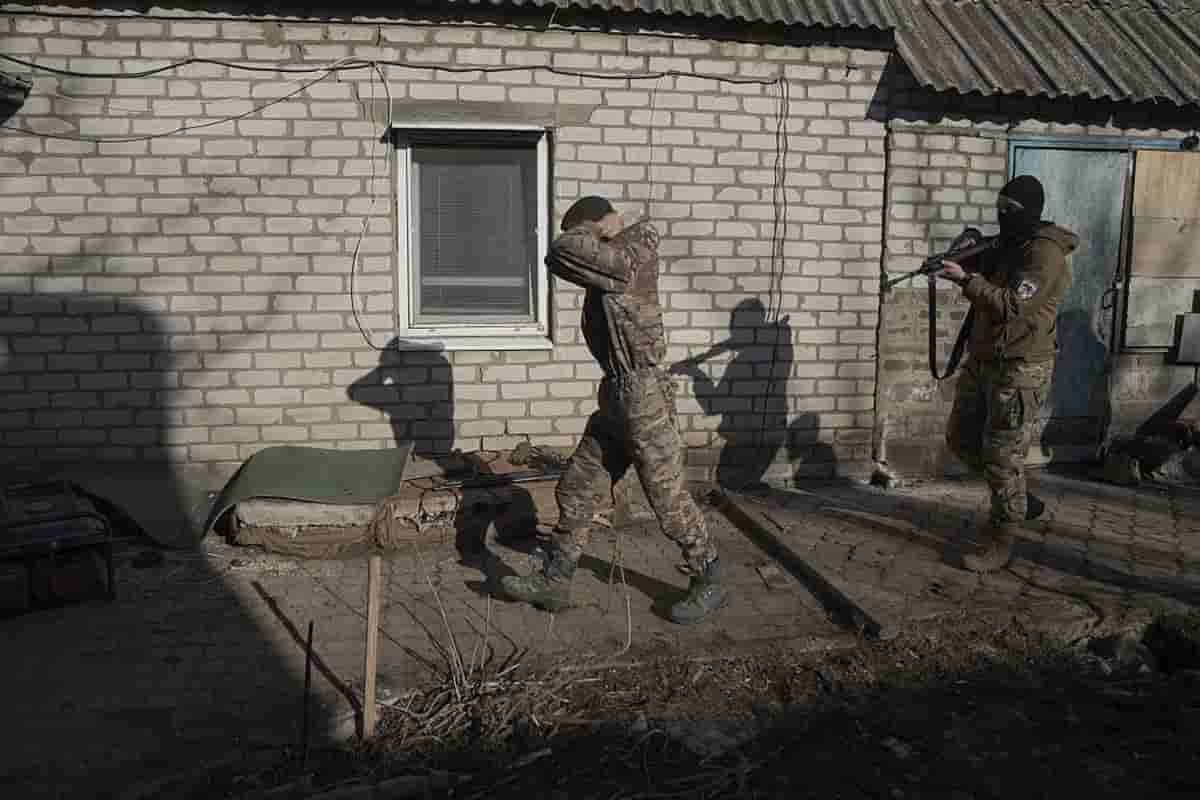
The composition of Russian forces, including a high percentage of soldiers with criminal records, impacts their effectiveness and morale on the front lines. Ukraine's warnings of a new mobilization suggest an escalation of the conflict and a potential shift in military strategy, posing risks to Ukrainian defenses and regional stability.
Sixty-nine percent of Russian soldiers fighting near the Ukrainian city of Zaporizhzhia have criminal records, according to Anastasiia Shevchenko, a spokesperson for Operational Task Force South, who spoke on September 21. This statistic likely reflects both the overrepresentation of individuals from disadvantaged backgrounds among voluntary recruits and the practice of offering men contracts to avoid prison time, often under coercive circumstances.
Internal analysis by the Ukrainian military indicates that 31% of the overall Russian force signed up to avoid criminal charges, and 24% joined the military to improve their financial situation, Shevchenko told Ukrinform. Since conducting an unpopular "partial mobilization" in the fall of 2022, Moscow has largely avoided forced conscription, instead relying on volunteer recruits with substantial sign-up bonuses. These incentives are most effective in economically depressed regions of Russia, where military service is often seen as a rapid path to financial stability or a way out of debt. This recruitment strategy is supplemented by foreign fighters and prisoners, initially recruited by the Wagner mercenary group. While Russia maintains special units drawn from the penal system with promises of amnesty, many regular recruits also have a criminal past.
Despite Kyiv's assertion that recruitment rates remain stable, the current influx of new Russian soldiers has not led to significant battlefield gains in 2026. Following a three-day parliamentary election that reaffirmed President Vladimir Putin's wartime legitimacy, the Kremlin is preparing for a new round of forced mobilization to counter stagnant offensive efforts, according to Ukrainian warnings. President Zelensky stated that Russia plans to mobilize 300,000 troops to enhance its main offensive in Donetsk Oblast or to create new threats along Ukraine's northern border.
Pick the topics you care about. Get only what matters, on your cadence.