Key facts
- Ukraine urged countries to close Russian state-run cultural centers, citing disinformation, destabilization, and espionage.
- Foreign Minister Andrii Sybiha accused Russia of using cultural institutions for a global campaign to influence public opinion.
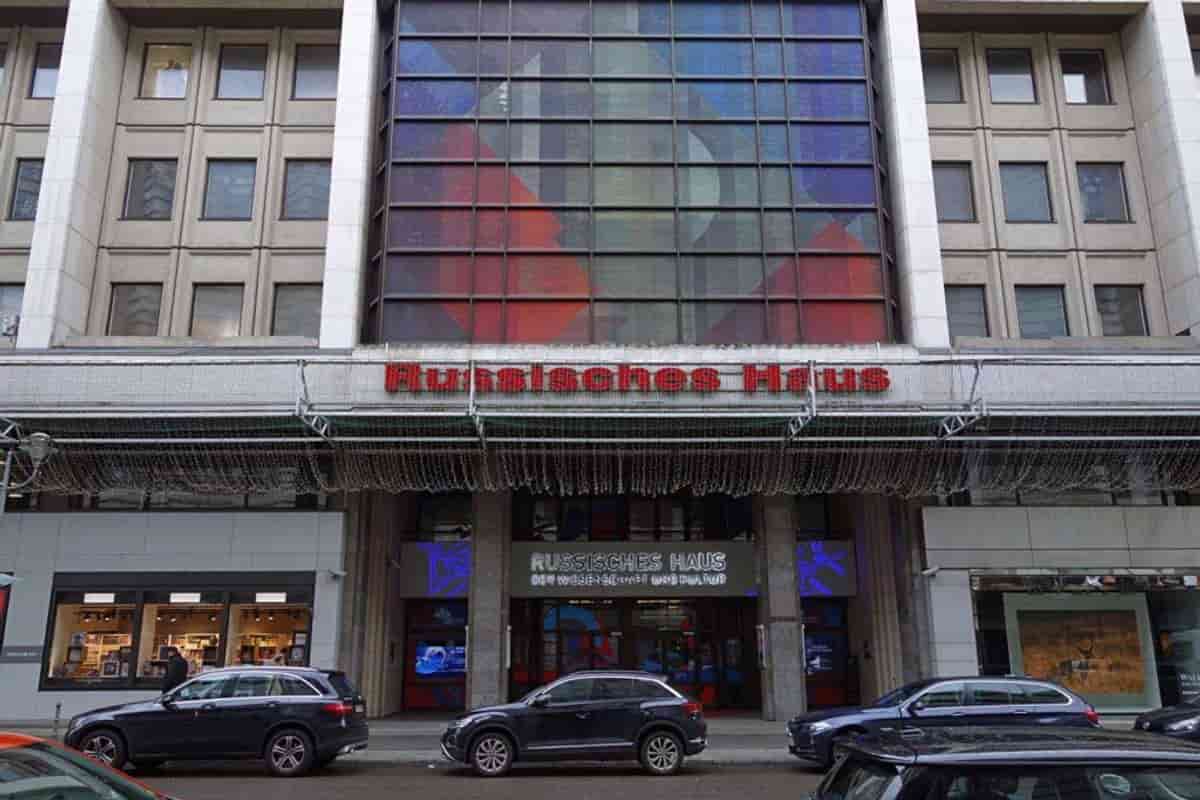
- Germany is closing the Russian House in Berlin following an attempted drone attack attributed to Russia.
- Rossotrudnichestvo, the Russian agency operating the centers, has been under EU sanctions since 2022.
- Russia plans to establish 11 additional Russian Houses abroad, including eight in African countries.
Ukraine has formally requested that governments around the world restrict or close Russian state-run cultural centers, accusing them of being used for disinformation, destabilization, and espionage. Foreign Minister Andrii Sybiha stated on September 19 that Moscow utilizes these institutions as part of a broader strategy to influence public opinion globally.
Sybiha emphasized the importance of the "cognitive domain of modern warfare," arguing that Russia is engaged in a worldwide battle for public opinion through various organizations and communication channels. Ukraine has provided arguments to governments for curtailing the centers' activities. These "Russian Houses" reportedly continue to operate in at least seven European countries, with a larger network across Africa, Asia, and South America.
The call comes after Germany initiated the closure of the Russian House in Berlin. This action followed an attempted explosive-drone attack at Leipzig/Halle Airport in August, which Berlin attributed to Russia. Germany's intelligence services and criminal investigations led to the formal blame on Russia on September 1. Consequently, Berlin ordered the closure of Russia's remaining consulate-general in Bonn and terminated the agreement for the Berlin Russian House, operated by Rossotrudnichestvo, which has been under EU sanctions since 2022. Germany has dismissed staff and ordered Russian personnel to leave, significantly limiting the center's operations.
In response to Germany's measures, Moscow denied responsibility for the drone attack and ordered the closure of the German Consulate-General in St. Petersburg and the Goethe-Institut's cultural centers in Russia. This dispute occurs amidst growing European concerns about suspected Russian hybrid operations, including sabotage, cyberattacks, disinformation, and attempts to influence political discourse. NATO Secretary General Mark Rutte characterized the Leipzig incident as a Russian hybrid attack, with the alliance noting a wider campaign of such activities against its members.