Key facts
- The Kremlin rejected statements by French National Rally leaders Marine Le Pen and Jordan Bardella.
- Le Pen and Bardella condemned Russia's seizure of Russian subsidiaries of French businesses and Nestle as hostile acts.
- Kremlin spokesman Dmitry Peskov said Russia poses no threat to France or any European country.
- Peskov welcomed the AfD party's desire for dialogue with Moscow.
- The AfD party took first place in a state election in Mecklenburg-Western Pomerania on Sunday.
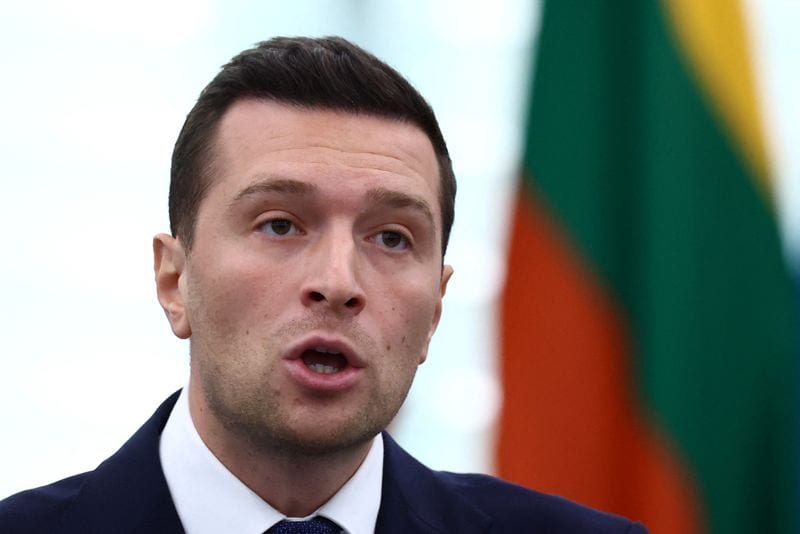
The Kremlin on Tuesday rejected comments by French National Rally leaders Marine Le Pen and Jordan Bardella, who had stated that Russia does not seek to dictate French policy through intimidation. Kremlin spokesman Dmitry Peskov asserted that Russia poses no threat to France or any European country, echoing President Putin's past statements.
In a joint statement over the weekend, Le Pen and Bardella said they would "never tolerate a foreign power, in this case, Russia, seeking to dictate, directly or indirectly, the policy of our country through intimidation, threats, destabilization or psychological pressure." They added that "no provocation, no clandestine operation and no destabilisation action will be able to push France to facilitate Russia’s war aims in Ukraine."
Peskov stated that Moscow did not accept the criticism, saying, "We do not agree with this statement. Russia is not threatening France or any other country in Europe. President Putin has stated this on numerous occasions. We have no disputes with any European states that could give rise to any serious disagreements."
Le Pen and Bardella, whose party has been seen as historically friendly towards Moscow, condemned Russia's "hostile" acts against France. Their statement came after the Kremlin ordered the seizure of Russian subsidiaries of several major French businesses, along with the subsidiary of Swiss food giant Nestle. Moscow stated the move was a blow against "unfriendly countries" that back Ukraine. French President Emmanuel Macron had hosted a meeting of political leaders to discuss the growing threat from Moscow, though Le Pen did not attend.
Separately, the Kremlin welcomed the fact that Germany's far-right AfD party wants dialogue with Moscow. The anti-immigration Alternative for Germany took first place in a state election in Mecklenburg-Western Pomerania on Sunday, building on its victory in Saxony-Anhalt two weeks earlier and intensifying political pressure on Chancellor Friedrich Merz. Peskov said that while he had no information about reported attempts by the AfD to establish contact with Moscow, "as a political force in Germany - one that is currently popular, showing a steady upward trend and talking about the expediency of establishing relations with our country - this can't fail to appeal to us." He contrasted this with Merz's confrontational remarks about Russia.