Key facts
- Russia plans to open 15 polling stations in Transdniestria for its parliamentary election.
- Moldova objects to polling stations in Transdniestria, allowing voting only at the Russian embassy in Chisinau.
- Russia states 220,000 residents in Transdniestria hold Russian passports.
- Moldova wants to join the European Union by 2030.
- Russia maintains a military contingent of about 1,500 troops in Transdniestria.
- In 2021, 59,000 voters cast ballots in Transdniestria, with 76.2% backing United Russia.
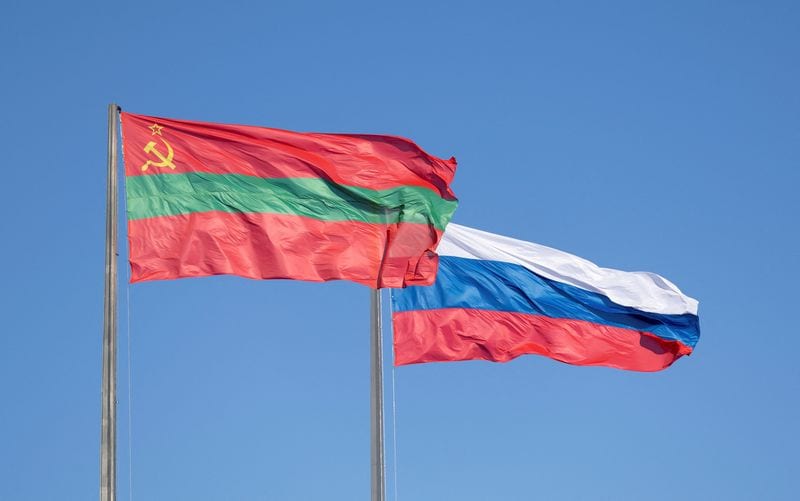
Russia's parliamentary election has triggered a diplomatic dispute with Moldova over plans to establish polling stations in the breakaway Transdniestria region. Moldova's pro-Western government objects to the Kremlin's intention to open 15 polling stations for Russian nationals in Transdniestria, a territory that separated from Moldova in 1990 and is not internationally recognized. Chisinau insists that Russian citizens may only vote at the Russian embassy in the capital, Chisinau, citing a lack of control over procedures in Transdniestria.
Moldovan authorities have labeled the planned polling stations as "unacceptable and hostile" and summoned Russian Ambassador Oleg Ozerov. In response, Russian Foreign Ministry spokeswoman Maria Zakharova urged Moldova to abandon its objections, stating they were contrary to democracy, international law, and common sense. Moldovan Foreign Minister Mihail Popsoi retorted by advising Moscow against interfering with Moldova's plans for the peaceful reintegration of the breakaway territory.
According to Moscow, approximately 220,000 residents of Transdniestria hold Russian passports and are eligible to vote. Russia maintains a military contingent of about 1,500 troops in the region, despite Moldovan demands for their withdrawal. In the 2021 Russian parliamentary election, 27 polling stations were opened in Transdniestria, where over 59,000 voters cast ballots, with the United Russia party, which supports President Vladimir Putin, receiving 76.2% of the vote.