Key facts
- Ukraine is struggling to counter Russia's increasing use of jet-powered drones, which fly at speeds exceeding 400 km/h.
- Russia's monthly production of jet-powered drones is estimated at 3,000.
- Interceptor drones developed by Ukraine have proven largely ineffective against the faster Russian models.
- Ukraine is developing new, cheaper guided missiles and AI-driven targeting systems as countermeasures.
- The SBU security agency headquarters was struck by a manually guided drone.
- Ukraine's air force acknowledges a lag in developing effective countermeasures for jet drones.
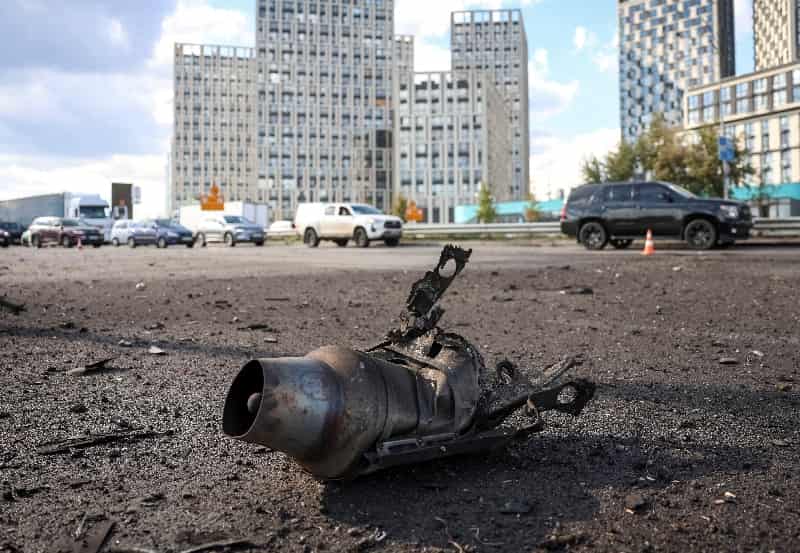
Ukraine is facing a significant technological challenge in countering Russia's increasing deployment of faster, jet-powered drones, which are proving difficult for existing interceptor systems to track and destroy. The speed of these drones, some exceeding 400 kilometers per hour, makes them a formidable threat, particularly to the capital Kyiv and surrounding regions.
In early July, a Ukrainian military exercise to test new interceptor drones against these faster Russian weapons did not go as planned, with many prototypes proving difficult to control and crashing. This underscores Ukraine's struggle to keep pace with Russia's rapid innovation and mass production of these advanced drones.
Russia's use of jet-powered drones has increased significantly in recent months, with estimates suggesting a sixfold rise over a three-month period. Ukraine's defense intelligence estimates that Russia produces around 3,000 jet-powered drones monthly. These drones vary in design, some resembling the Shahed models but with jet engines, while others have a more missile-like appearance.
Officials acknowledge the difficulties in developing effective countermeasures. Yuriy Cherevashenko, a deputy commander of Ukraine's air force, stated that while challenges exist, Ukraine is close to fielding mass-produced, low-cost solutions. He expressed confidence that a class of weapons effective against jet-powered UAVs will soon be available. However, a senior commander openly admitted Kyiv was lagging in this area.
Ukraine's previous success in downing cheaper, piston-powered Shahed drones with interceptor drones costing less than $2,000 is not translating to the faster jet models. These new drones are also more resistant to jamming and signal disruption. Solutions being explored include new generations of cheaper guided missiles, networked defense systems utilizing AI for head-on interceptions, and adapting existing interceptor drones to attack head-on rather than from behind.