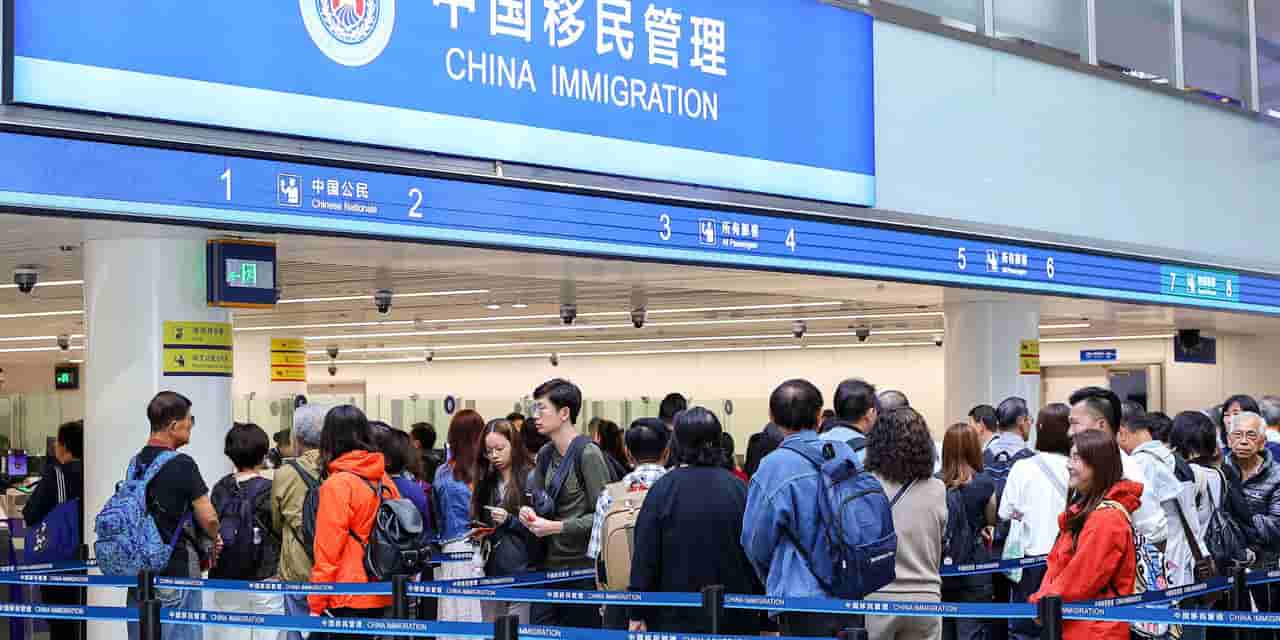
China tightens exit rules, citing national security and tech concerns
1 source↑ Market-relevant
IN SHORT
China has implemented new exit and entry rules that link border control to national security, potentially barring citizens involved in technology import-export violations from leaving the country. The regulations, effective Tuesday, aim to prevent the outflow of advanced technology and formalize existing practices, raising compliance concerns for businesses and individuals, particularly those in the tech sector.
Key Numbers
1 to 5 yearsentry ban for foreign nationals with false visa information
six months to three yearsexit ban for citizens committing acts harming national security abroad
Who's Involved
China
imposed new entry and exit rules tied to national security
Shen Yu-chung
deputy head of Taiwan's Mainland Affairs Council, highlighted concerns over new exit restrictions
Min Zin
US citizen and Myanmar expert, was detained by Chinese authorities
↳ Why This Matters
The new rules increase compliance stakes for businesses and individuals operating in sectors critical to national security, particularly technology, by formalizing exit bans and expanding the grounds for restricting travel. This could impact international collaboration, talent mobility, and the flow of sensitive information.
Key facts
China's new exit and entry rules took effect Tuesday, September 15, 2026.
The rules allow authorities to ban Chinese citizens who violate technology import-export rules from leaving the country.
Foreign nationals providing false visa information may face entry bans of one to five years.
The regulations aim to safeguard national sovereignty, security, and development interests.
Taiwan has warned its citizens to exercise caution when visiting China due to the new rules.
China has implemented new exit and entry rules that took effect on Tuesday, September 15, 2026, explicitly linking border control with national security. The regulations aim to prevent the outflow of advanced technology by potentially barring citizens involved in violations of technology import-export rules from leaving the country. These rules are seen by observers as formalizing existing practices while introducing new considerations for certain travelers, particularly those in the tech sector.
The government stated that the new measures are intended to safeguard national sovereignty, security, and development interests. Under the regulation, individuals entering or leaving China must cooperate with authorities when asked to present or provide documents or electronic data for verification. Foreign nationals who provide false information during visa applications or at immigration control could face an entry ban of up to five years. Citizens who commit illegal or criminal acts abroad that harm national security or interests may be subject to an exit ban ranging from six months to three years.
These curbs have prompted Taiwan, which Beijing claims as its territory, to advise its citizens to take extra care during visits to China. Shen Yu-chung, a deputy head of Taiwan's Mainland Affairs Council, noted that the new rules "legalize" previously unfounded border control practices and increase the discretionary authority of enforcement agencies. He specifically raised concerns about the inclusion of "export control" and "technology import-export management" as grounds for restricting exit, especially for Taiwanese working in the tech industry. China, however, has dismissed these concerns, asserting that the rules offer better legal protection for Taiwanese.
In the past, China has imposed travel restrictions on individuals considered security risks, including senior government officials and employees of state-linked enterprises. Foreign governments have also reported instances of citizens being denied permission to leave China, often in connection with security-related investigations. Notably, US citizen Min Zin, designated by Washington as a Myanmar expert, was detained by Chinese authorities in June over accusations of endangering national security.
Frequently asked questions
The primary goal is to safeguard national sovereignty, security, and development interests, with a specific focus on preventing the outflow of advanced technology.
The rules could affect Chinese citizens involved in technology import-export violations, individuals with access to confidential information, and foreign nationals providing false information on visa applications.
Taiwan is concerned that the rules "legalize" previously unfounded border control practices and boost enforcement agencies' discretionary authority, particularly regarding "export control" and "technology import-export management" as grounds for exit restrictions.
What Happens Next
01Taiwan's Mainland Affairs Council will continue to monitor the implementation and impact of China's new exit-entry rules.
How It Developed
China unveiled new exit and entry rules in July, targeting violations of export controls or technology import and export rules.
New rules took effect Tuesday, linking border control to national security and potentially barring citizens deemed a threat to national technology security from leaving the country.