Key facts
- Ukraine lags behind Russia in ballistic missile production, a key capability in modern warfare.
- Kyiv is seeking to close this gap by mass-producing its own ballistic missiles.
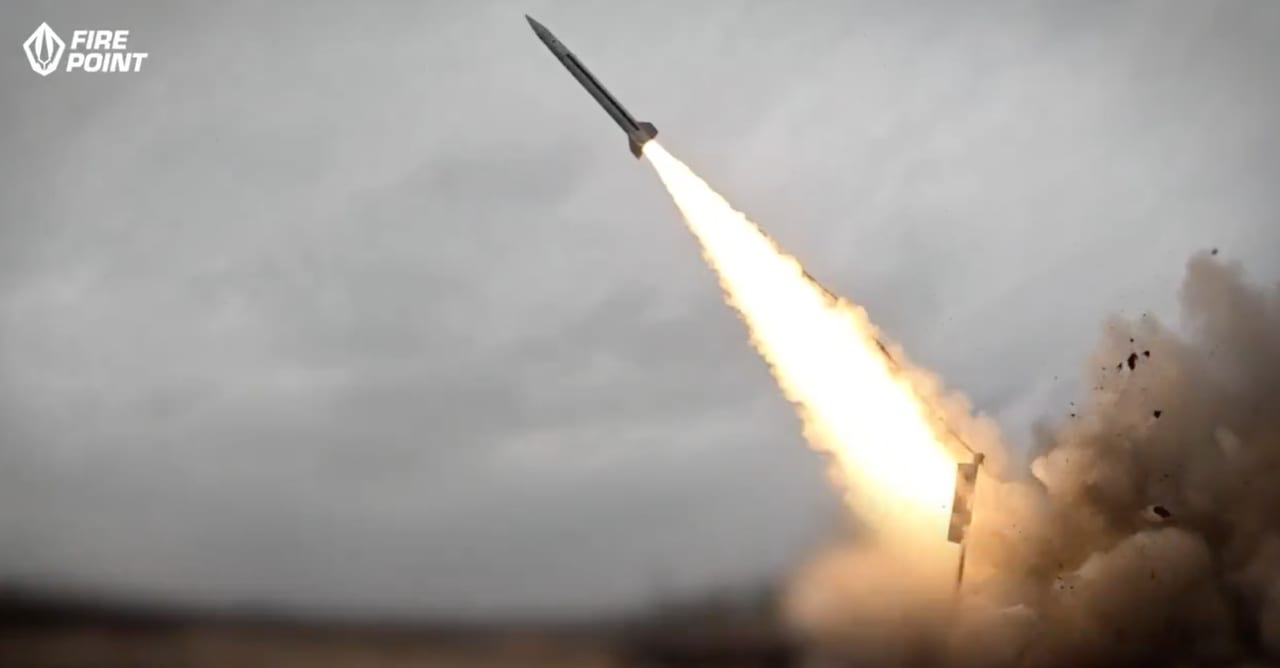
- Fire Point's FP-7 short-range ballistic missile is expected to enter service within weeks.
- The longer-ranged FP-9 ballistic missile is currently undergoing flight tests.
- Russia produces approximately 120 ballistic missiles per month.
- Ukraine previously relied on Soviet-legacy OTR-21 Tochka missiles and limited supplies of American ATACMS.
Ballistic missiles have become a critical weapon in Russia's ongoing assault on Ukrainian cities, and while Ukraine has excelled in drone technology, it has lagged significantly in producing its own ballistic missiles. This capability gap could soon narrow as Kyiv aims to mass-produce its own ballistic missiles, with two new models, the FP-7 and FP-9, slated for service in the coming months.
According to Iryna Terekh, CEO of Fire Point, the FP-7 short-range ballistic missile is expected to enter service with the Ukrainian military within weeks. The longer-ranged FP-9 is currently undergoing flight tests. Fabian Hoffmann, a senior research fellow at the Norwegian Institute for Defence Studies, noted that the introduction of these missiles in significant numbers could have a substantial impact on the war's outcome, providing Ukraine with the ability to strike valuable, time-sensitive military targets like Russian ballistic missile launchers.
Ballistic missiles fly at high speeds in high arcs, making them difficult to intercept by most air defense systems. Ukraine currently relies on American-made Patriot PAC-3 systems for defense against such threats, but a chronic shortage of interceptors has left its cities vulnerable. Russia's production rate of approximately 120 ballistic missiles per month far outpaces Western production of Patriot interceptors, which stands at around 50 per month.
In February 2022, Ukraine possessed about 500 OTR-21 Tochka short-range ballistic missiles, but lacked the ability to produce more. These Soviet-legacy missiles had a limited range of 120 kilometers and were relatively inaccurate. Russia, in contrast, fielded 900 modern Iskander-M ballistic missiles, along with other advanced systems. Through domestic production and supplies from North Korea, Russia has maintained substantial stockpiles. Ukraine's military intelligence agency assessed that by mid-2026, Russia would still possess significant numbers of various ballistic missiles.
Ukraine's limited domestic production has necessitated reliance on foreign allies for missiles like the American-made ATACMS, first received in October 2023. These were used effectively to destroy 14 Russian helicopters in strikes on occupied Luhansk and Berdyansk. However, limited replenishment opportunities, such as an agreement to purchase 70 ATACMS from Turkey in August 2026, highlight the strategic vulnerability of this external dependence. To address this, Fire Point has invested 150 million euros in a solid rocket fuel plant in Denmark to support its new missile development. Despite allegations of corruption and questions about ownership, Fire Point's drones have been crucial to Ukraine's deep strike campaigns.