Key facts
- Ukraine is delivering more on reforms than any other country currently, according to EU Enlargement Commissioner Marta Kos.
- Kos made the remarks on October 5 during a press conference on EU-Moldova relations.
- Ukraine's reform progress is linked to unlocking over 20 billion euros ($23 billion) in financial support.
- A key reform law concerning Ukraine's Hungarian-speaking minority is expected to be voted on by the Verkhovna Rada on October 12.
- Hungary has blocked additional EU accession clusters for Ukraine until the minority rights bill is passed.
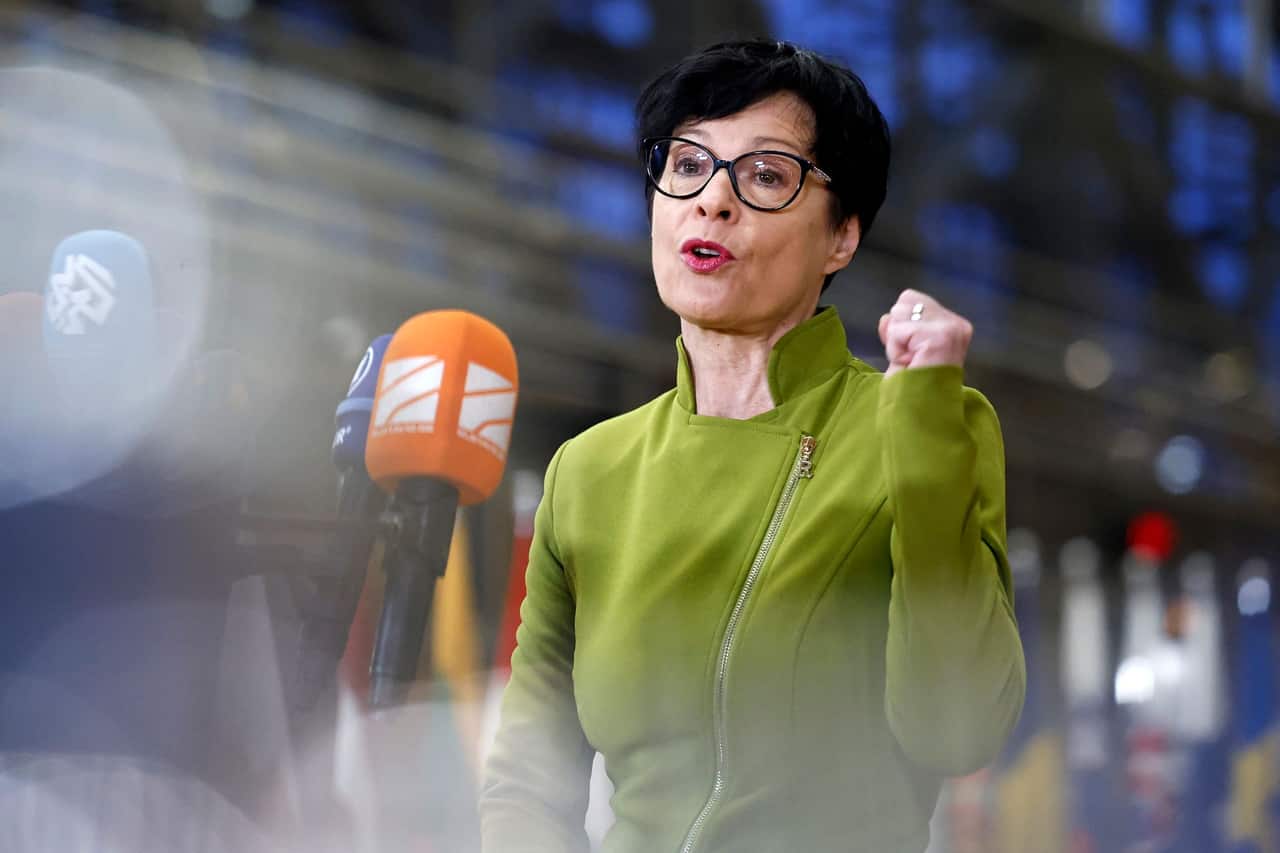
The European Union's Enlargement Commissioner Marta Kos stated on October 5 that Ukraine is currently delivering more on reforms than any other country globally, despite the immense challenges of wartime. Speaking at a press conference focused on EU-Moldova relations, Kos emphasized that Ukraine's commitment to reforms is vital for securing financial aid and progressing in its EU accession bid.
Kos noted that while both Ukraine and Moldova are frontrunners among the four most promising candidates for EU membership, Ukraine's situation is unique due to its ongoing fight for survival. She highlighted that Ukraine must implement reforms to receive additional budgetary and military funding.
Ukraine's parliament, the Verkhovna Rada, has faced scrutiny for delays in passing necessary reforms. However, Kos pointed to the country's extraordinary circumstances. In September, Kos co-signed a letter to the Verkhovna Rada outlining reforms required by the end of the year to unlock over 20 billion euros ($23 billion) in financial support.
A critical piece of legislation concerns the rights of Ukraine's Hungarian-speaking minority, with a vote expected on October 12. Hungary has indicated it will block the opening of further EU accession clusters for Ukraine until this bill is passed. Kos expressed hope for the law's passage, suggesting that its approval could lead to the opening of two new clusters for both Moldova and Ukraine in the following week.
Ukraine and Moldova's membership bids are linked, and they have so far opened two of the six reform "enlargement clusters." If the minority rights law passes, they are expected to open clusters two and three, focusing on economic topics. Progress on the remaining clusters, four and five, which address sectoral issues, may be hindered by concerns over the size and competitiveness of parts of Ukraine's economy, particularly its agricultural and transport sectors.