Key facts
- Ukraine's parliament passed a bill on Oct. 12 to enhance minority educational rights.
- The bill requires presidential signature to become law.
- The legislation grants more room for EU-language minorities, including Hungarians, to use their language in education.
- Schools with over 50% of pupils studying in a minority language may receive special status.
- Hungary's Foreign Minister Anita Orban called the bill a step toward advancing Kyiv's EU talks.
- The bill covers EU languages but excludes Russian.
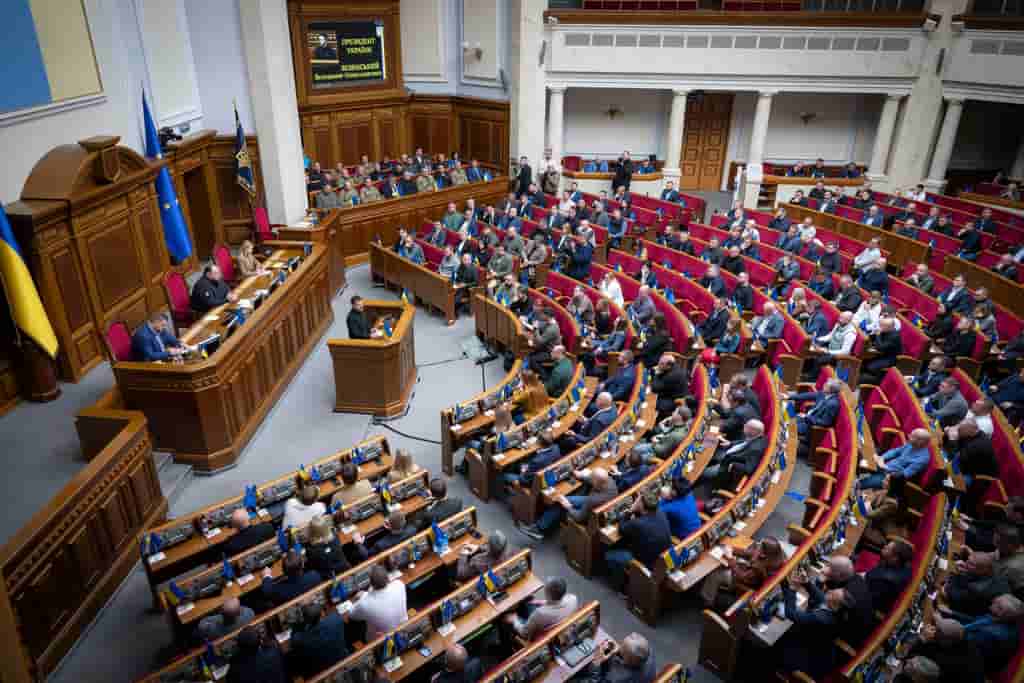
Ukraine's parliament passed a bill on Oct. 12 aimed at strengthening the educational rights of national minorities, a key demand from Hungary that had previously stalled Kyiv's European Union accession process. The legislation, which secured the support of 266 lawmakers, now awaits a presidential signature.
The new law is designed to allow Ukraine's Hungarian-speaking community and other minorities whose languages are official EU languages to use their languages more extensively in education. Schools where over half of the students are taught in a minority language may be granted special status, and the school's leadership must be proficient in that language.
Hungarian Foreign Minister Anita Orban described the bill as the outcome of bilateral negotiations and a crucial step for advancing Ukraine's EU membership talks. Hungary had previously linked progress on Ukraine's accession to the protection of its ethnic minority's rights, with former Prime Minister Viktor Orban being a notable critic.
The bill specifically covers EU languages but excludes Russian, aligning with Ukraine's broader efforts to reduce Russian's influence in public life. The passage of this law is expected to help unblock two additional accession clusters for Ukraine, with the EU also politically linking Ukraine's and Moldova's membership bids. The EU is scheduled to formally open two more accession clusters with Ukraine and Moldova on Oct. 13 in Luxembourg.