Key facts
- Raphaël Glucksmann won France's center-left presidential primary with over 66% of the vote.
- Glucksmann, founder of Place Publique, will represent the Socialist Party and its allies in the presidential election.
- Over 120,000 people voted in the primary.
- Glucksmann refuses to work with hard-left politician Jean-Luc Mélenchon.
- Polls show Glucksmann trailing far-right frontrunner Marine Le Pen and centre-right contender Édouard Philippe.
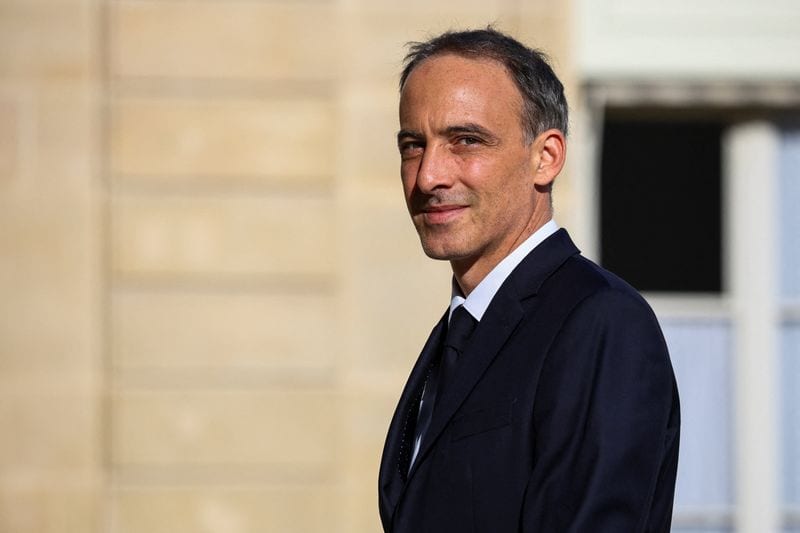
Raphaël Glucksmann, an EU lawmaker and founder of the small party Place Publique, has won France's centre-left presidential primary, securing over 66% of the vote. Organizers reported that more than 120,000 people participated in the election.
Glucksmann, who argued he is different from career politicians, urged the centre left to wage an "existential battle" to prevent Marine Le Pen's far right from winning the 2027 presidential election. He stated that the country was at a "historic moment" with the far right "at the gates of power" and that the campaign would be "brutal and like no other we have ever experienced."
His candidacy marks the first time the Socialist party, which suffered two crushing defeats in the last two presidential elections, will not have its own presidential candidate since its founding in 1969. Glucksmann, 46, is staunchly pro-European and pro-Ukraine. He has a more reformist and centrist tone than the Socialist party but has cooperated with it previously.
Glucksmann is currently polling between 9% and 14%, trailing Le Pen and centre-right contender Édouard Philippe. He also lags behind hard-left politician Jean-Luc Mélenchon, whose party boycotted the primary. Glucksmann refuses to work with Mélenchon or his party, aiming instead to win back centre-left voters who supported President Macron. Critics on the left accuse Glucksmann of being too centrist, while he has stepped up criticism of Macron for "wasting 10 years" on climate policy.
Known for his campaigning on international issues, Glucksmann said he "lost sleep at night" worrying about how the social-democratic left had lost the working class and needed to regain "a form of radicality." He made no apology for being an intellectual, stating he would use his background to "better explain the moment we're living in."