Key facts
- The last school on the Greek island of Kalamos will close next year with only two students.
- Greece closed 75 schools and suspended classes at over 400 others this year due to declining enrollment.
- Kalamos' year-round population is 80, down from 40 children in local schools a decade ago.
- Croatia has invested 4.6 billion euros in its islands over the past 10 years.
- Japan's remote island population fell 19% in the decade through 2023.
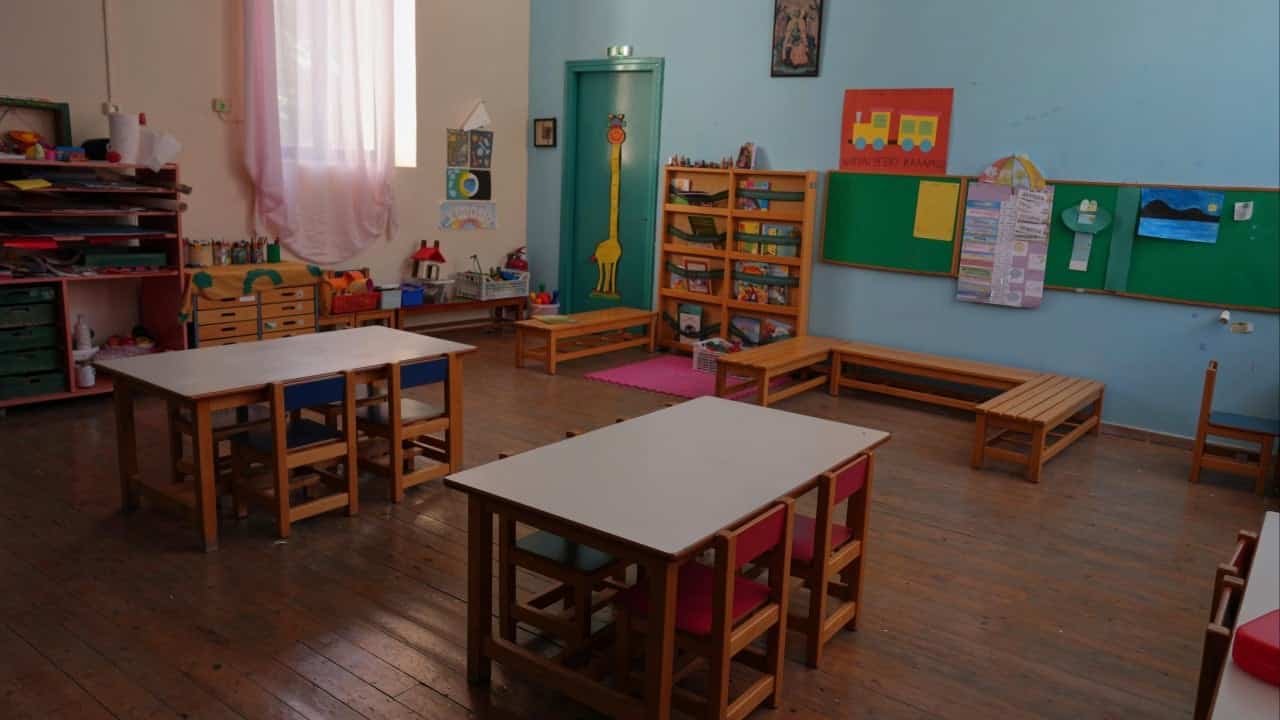
The last school on the Greek island of Kalamos is set to close next year, a stark symbol of a demographic crisis unfolding across Europe's remote communities. Chryssa Ntalaka, the sole teacher, currently has only two sixth-grade students. When they move to the mainland for middle school, the school will be mothballed, following the closure of the island's kindergarten three years prior.
Falling enrollment has prompted authorities in Greece to close 75 schools and suspend or extend suspensions at over 400 others this year. This situation is particularly acute in Southern Europe, which has a high concentration of the world's oldest nations. Remote islands and mountain villages are often the first to experience the disappearance of schools and services, creating a cycle of population decline.
Kalamos, with a year-round population of 80, had 40 children in its schools and daycare a decade ago. Today, seven teenagers commute by ferry to the mainland for school, sometimes missing classes due to strong winds. Teacher Chryssa Ntalaka, who has spent 20 years teaching in remote schools, expressed a desire to stay on Kalamos but noted the lack of children and development.
Other European nations are also grappling with similar challenges. Croatia has invested 4.6 billion euros in its islands over the past decade, including building and renovating schools, and passed an Islands Act in January to improve islanders' lives. However, the population decline on its remote islands remains similar to the mainland. Japan faces even grimmer demographics, with the population of its remote islands falling 19% in the decade through 2023.