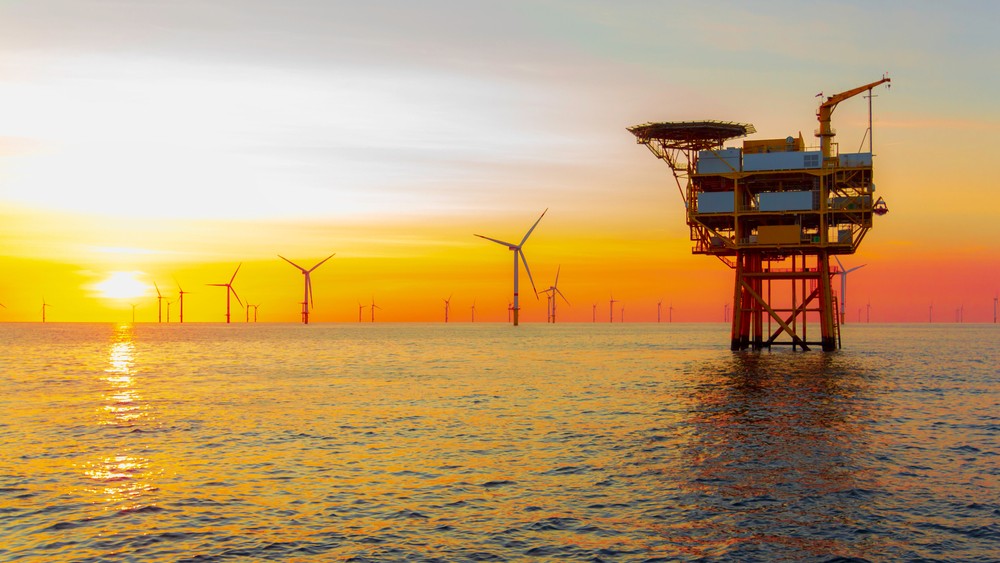
Key facts
- UK wind power reached record levels in 2025, becoming the largest single renewable electricity source.
- In 2025, wind, solar, hydro, and biomass generated 44% of the UK's electricity, while fossil fuels provided 32.3%.
- Offshore wind alone generated 17.7% of the UK's electricity mix in 2025.
- Power from wind farms increased by 31% in the first three months of 2026 compared to the same period in 2025.
- The UK's onshore wind farm project pipeline exceeds 50 GW.
- A 93 GW pipeline of offshore wind capacity is in planning or has identified future potential in the UK.
The United Kingdom has significantly expanded its wind energy capacity, achieving record power generation levels in 2025. This growth is a key component of the UK's strategy to diversify its energy sources, reduce dependence on fossil fuels, and bolster energy security, particularly in light of recent global oil and gas shortages exacerbated by geopolitical disruptions.
In 2025, wind emerged as the largest single renewable electricity source in the UK, contributing nearly 30% of Great Britain's electricity with over 85 TWh generated. Offshore wind alone accounted for a record 17.7% of the UK's electricity mix, totaling 52 TWh. Overall, wind, solar, hydro, and biomass generated approximately 44% of the UK's electricity, amounting to over 127 TWh, a decrease from 50.5% in 2024. Fossil fuels, primarily natural gas, supplied 32.3% of the electricity.
Data from London Stock Exchange shows a 31% increase in power from wind farms in the first three months of 2026 compared to the same period in 2025. This surge contributed to a 16% rise in overall clean energy production and a 4% increase in total power output year-on-year.
Plans for new onshore wind projects in England have reached their highest annual level in a decade, with 45 applications submitted in the year to March 2026. The de facto ban on onshore wind in England, lifted in 2024, has spurred development, with the UK onshore wind farm project pipeline now exceeding 50 GW. Scotland leads in current onshore wind capacity, accounting for 75% of the UK's portfolio, as energy planning is a devolved matter.
Internationally, German Chancellor Friedrich Merz has proposed making the North Sea the world's largest clean energy reservoir. This aligns with plans involving the UK and nine other European countries to accelerate offshore wind deployment in the 2030s, aiming to build a North Sea power grid capable of delivering 100 GW of power.
The UK's offshore wind sector currently employs approximately 40,000 people, with projections to reach 94,000 by 2030. In 2025, offshore wind is estimated to have displaced 20.8 million tonnes of carbon dioxide.