Key facts
- Turkey is transforming World War I shipwrecks off the Gallipoli Peninsula into an underwater diving park.
- The initiative, named "Deep Legacy," aims to create an adventure, marine ecology, and sustainable tourism experience.
- The park features 27 shipwrecks and two entire underwater dive sites with reefs.
- Beginner divers can explore the SS Milo, resting seven meters deep, while experienced divers can descend to depths of up to 72 meters to see wrecks like HMS Triumph.
- The Gallipoli campaign, a fierce World War I battlefront, took place in the strait between April 1915 and January 1916.
Turkey is developing a unique underwater tourism destination by transforming the World War I shipwrecks off its Gallipoli Peninsula into a protected diving park. The initiative, known as "Deep Legacy" (Derin Miras), is a joint effort by the Gallipoli Historical Site Directorate and the 1915 Canakkale Bridge Consortium. The goal is to create an adventure, marine ecology, and sustainable tourism experience from the historical battleground.
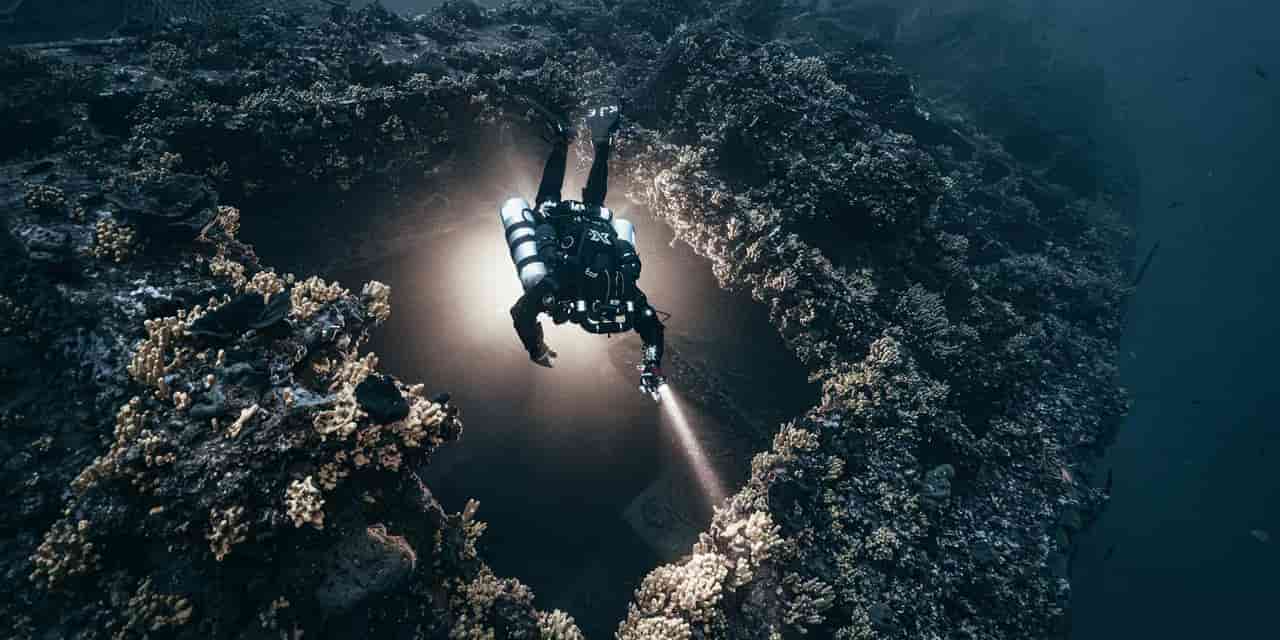
The Gallipoli Underwater Park boasts 27 shipwrecks and two entire underwater dive sites with reefs, consolidating what its promoters describe as one of the most important diving sites globally. For novice divers, the SS Milo, submerged at a depth of seven meters, offers an accessible introduction to underwater exploration and historical immersion. More experienced divers can explore deeper wrecks, including the HMS Triumph, which lies at a depth of 72 meters.
The waters off the Gallipoli Peninsula were the site of intense fighting during World War I, from April 1915 to January 1916, as Allied forces attempted to secure a sea route to the Russian Empire. The conflict transformed the strait into a significant maritime graveyard.