Key facts
- Northern Ireland's Court of Appeal has allowed a Protestant Orange Order march to proceed through the Catholic Garvaghy Road area of Portadown.
- The decision overturned a temporary ban issued on Saturday by a High Court judge.
- The parade, which has been banned for 28 years due to sectarian violence, was scheduled to begin Sunday morning.
- The Court of Appeal found the High Court judge had "erred in law" in granting the injunction.
- The Parades Commission had limited the procession to 35 participants and set an 8 a.m. start time.
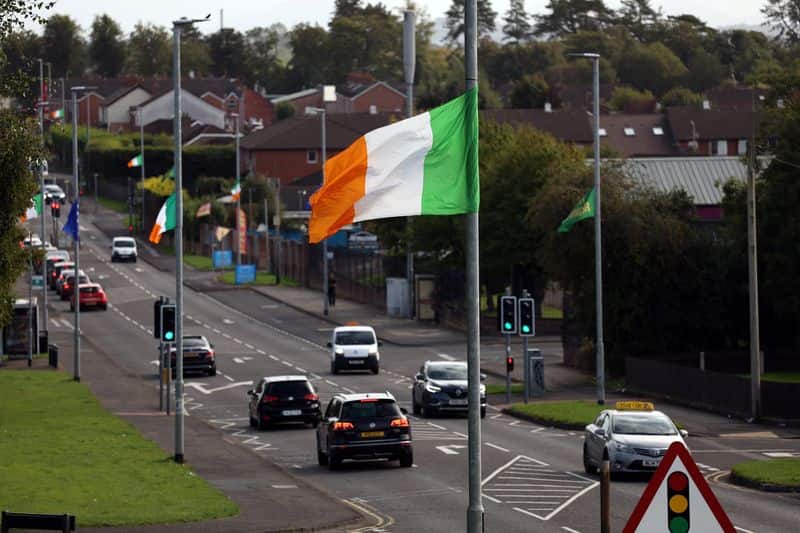
A controversial loyalist parade by the Protestant Orange Order along the nationalist Garvaghy Road in Portadown, Northern Ireland, has been permitted to go ahead on Sunday after a late-night appeal court ruling overturned a temporary ban. The decision by the Court of Appeal, delivered at 11:30 p.m. on Saturday, stated that the High Court judge who had granted an injunction against the march "erred in law".
Earlier on Saturday, Justice Smyth had issued an order temporarily suspending the parade, which was due to take place at 8 a.m. on Sunday, urging all sides to "step back from the abyss" amid fears the march could unleash fresh sectarian violence. The march down Garvaghy Road has been banned for 28 years following violent clashes in 1998 outside Drumcree church.
Nationalist residents and political parties expressed outrage at the appeal decision. Michelle O’Neill, first minister of Northern Ireland, described the ruling as "disgraceful" and steeped in "hate, sectarian violence, and murder." Sinn Féin pledged full support to the Garvaghy Road community. SDLP leader Claire Hanna also called the plan "provocative."
Conversely, Democratic Unionist MP Carla Lockhart insisted that nationalist residents had "nothing to fear" from the march. The Parades Commission had placed restrictions on the procession, limiting participants to 35 people and setting an 8 a.m. start time, but did not impose restrictions on the route.